
Qatar Takes Israel to ICC Over Doha Strike
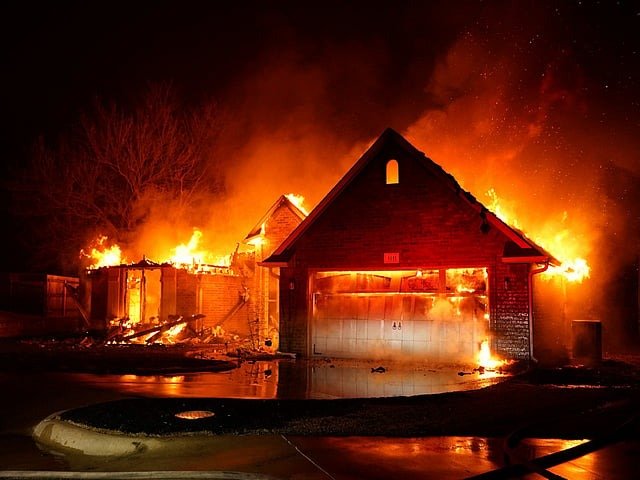
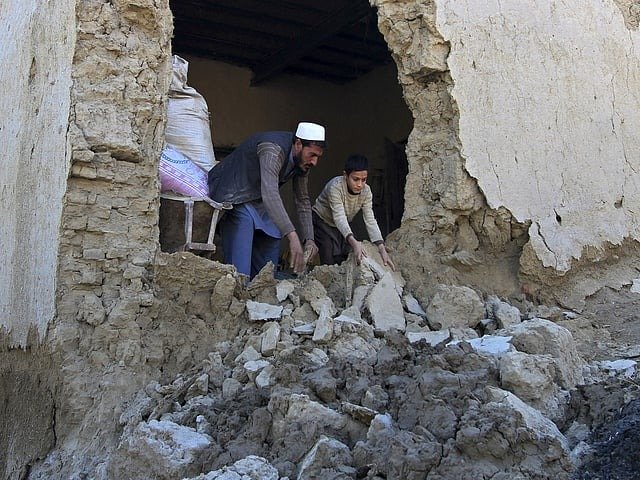
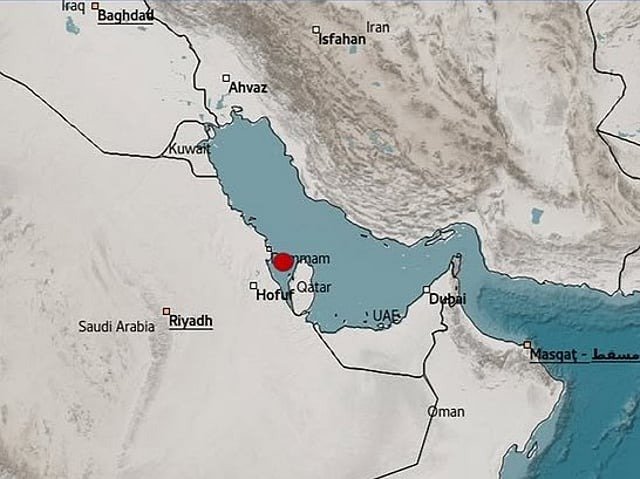
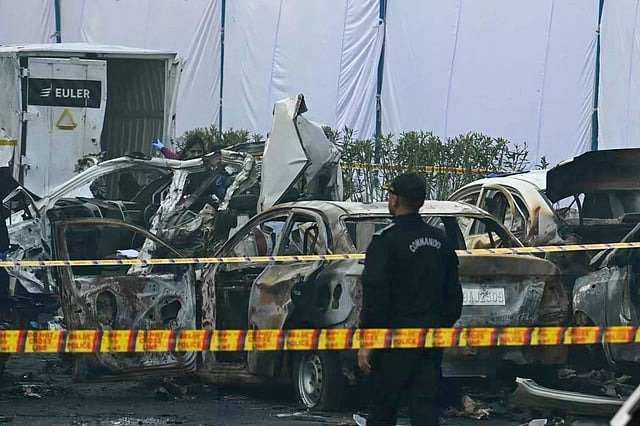
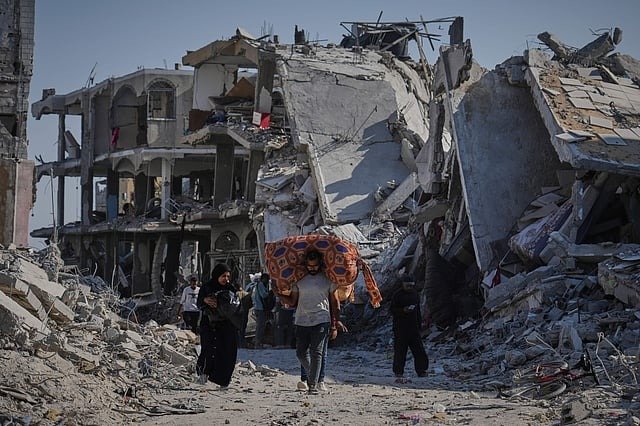
Qatar has formally begun legal proceedings at the International Criminal Court (ICC) following Israel’s September 9 strike on its capital, Doha, which killed six people, including a senior officer of the Internal Security Forces. The move signals a watershed moment in Qatar’s foreign policy, as it shifts from diplomatic protest to international litigation in response to what it calls “war crimes and acts of aggression.”
Doha Announces Legal Team
Minister of State for Foreign Affairs Mohammed Al Khulaifi confirmed that a special legal team has been formed to investigate violations of international law linked to the attack. The team will also prepare Qatar’s legal submissions at the ICC.
“This step reflects Qatar’s unwavering commitment to accountability under international criminal law,” Al Khulaifi said. “No state should be allowed to escape responsibility for targeting civilians and violating sovereignty.”
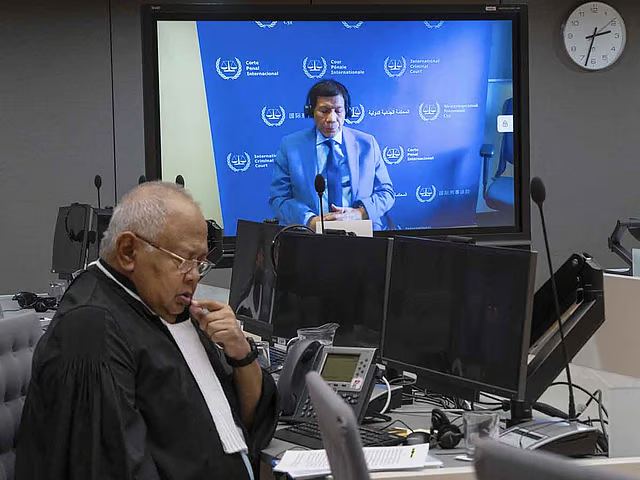
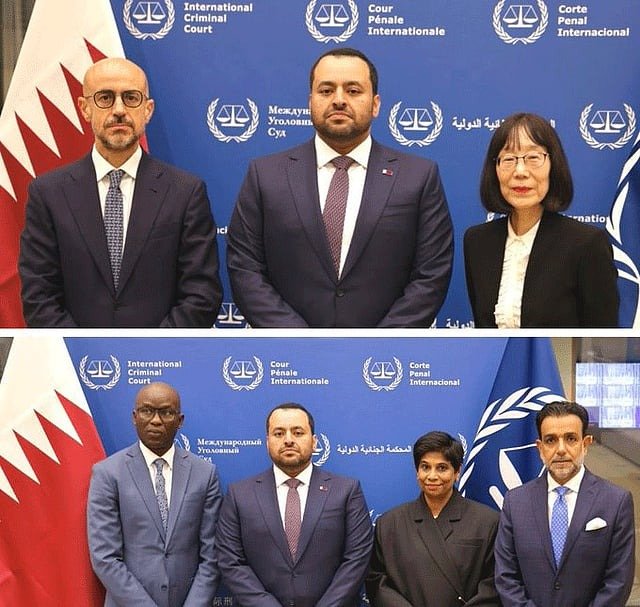
During a visit to The Hague, Al Khulaifi met ICC President Judge Tomoko Akane and Deputy Prosecutor Nazhat Shameem Khan. He stressed that Qatar will press ahead with legal efforts to ensure perpetrators are held accountable, not only to secure justice for the victims but also to deter future violations of international law.
Background to the Strike
The September 9 strike, carried out by Israeli stealth jets that reportedly flew over 2,000 km, marked the first direct Israeli attack on Qatari soil. The missiles hit a villa in Doha where Hamas political bureau leaders were said to be meeting to discuss a US-backed ceasefire proposal in the Gaza war.
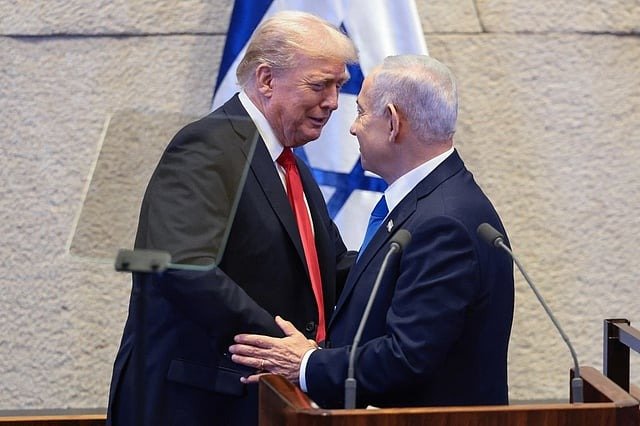
The Israeli government later defended the strike. Prime Minister Benjamin Netanyahu claimed the action was justified because of Qatar’s long-standing ties with Hamas. “Qatar is connected to Hamas, it bolsters Hamas, it harbours Hamas, it funds Hamas,” Netanyahu declared, dismissing criticism of the operation.
For Qatar, however, the attack was viewed as an unprecedented violation of its sovereignty and neutrality. Doha has no formal diplomatic ties with Israel but has played a central role in mediating ceasefires and hostage exchanges since the Gaza war began.
ICC Context and Previous Cases
The ICC is no stranger to cases involving Israel and Palestine. In 2024, it announced prosecutions against Netanyahu for alleged war crimes and crimes against humanity in Gaza, including the intentional targeting of civilians and using starvation as a weapon of war. Arrest warrants were also issued for former Israeli Defense Minister Yoav Gallant and Hamas commander Mohammed Deif, who was later confirmed killed by Israel.
Qatar’s move to join this legal front against Israel adds a new dimension. While the ICC has historically focused on conflicts in Africa and the Middle East, a case involving a Gulf state directly targeted by Israeli military action would expand the court’s reach into Gulf geopolitics.
Regional and Global Repercussions
The legal move could have ripple effects across the Middle East. The UAE, which condemned the strike and summoned Israel’s Deputy Head of Mission, described the attack as “blatant aggression” and a destabilising act against Qatar. Analysts say the case could test Gulf unity, especially since some regional states maintain varying levels of engagement with Israel.
Internationally, Qatar’s decision highlights the growing role of international legal institutions in modern conflicts. While military power often dominates headlines, smaller states like Qatar are increasingly turning to international law as a way of leveling the playing field.
Qatar’s Long Ties to Gaza
Qatar has historically supported reconstruction and humanitarian aid in Gaza. Between 2018 and 2023, it sent monthly cash handouts and aid packages with the approval of Netanyahu’s own government. Ironically, those arrangements later became controversial, with Israeli media reporting earlier this year that two of Netanyahu’s aides were under investigation for allegedly receiving payments from Qatar.
Doha has long hosted Hamas’s political leadership, positioning itself as both a supporter of Palestinian rights and a mediator between Hamas and international powers. This dual role has now made it a direct target in the conflict.
Looking Ahead
While the ICC process is lengthy and complex, Qatar’s decision marks a new phase in its response to Israel. Rather than limiting itself to diplomatic condemnation, Doha is placing its faith in international legal frameworks, hoping to establish accountability for what it calls a “state terror act.”
Observers note that even if the ICC case takes years to progress, the symbolism matters: Qatar is asserting that no state, however powerful, is above international law. The outcome could influence how future conflicts in the Middle East are addressed, both in terms of deterrence and accountability.
For now, Doha’s legal gamble at The Hague signals a sharp escalation—transforming a Gulf state’s diplomatic protest into an international legal confrontation with Israel.
Related News