
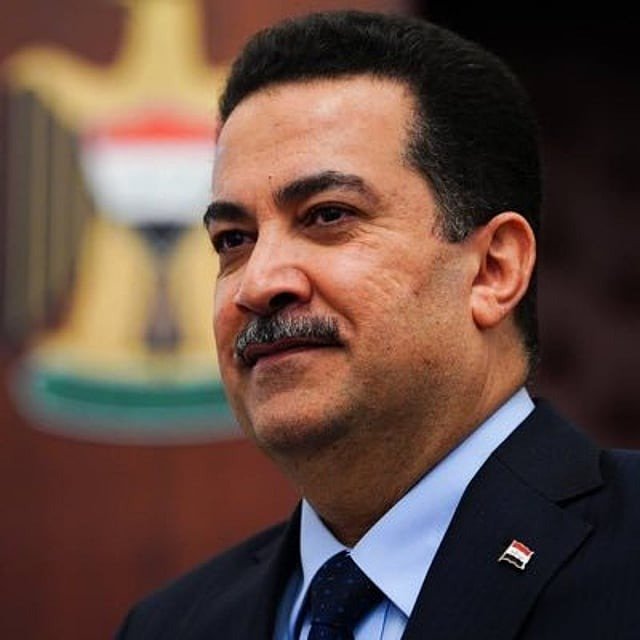
Iraq Elections End Without Majority as PM Al-Sudani’s Coalition Leads
Iraq Election Ends Without Majority, Al-Sudani’s Coalition Takes Lead
Iraq’s parliamentary election has concluded, and while the results show a clear front-runner, no political bloc has secured the majority required to govern alone. The final results—announced by the Independent High Electoral Commission—confirm a strong showing by Prime Minister Mohammed Shia’ Al-Sudani’s political coalition, setting the stage for intense negotiations and coalition-building in the coming weeks.
The election, held on November 11, was one of the most closely watched political developments in Iraq this year. With public demand for reform, stability, and improved governance at an all-time high, political parties faced a challenging electorate seeking change while holding leaders accountable.
Al-Sudani’s Coalition Emerges as Strongest Contender
The final tally shows that the Reconstruction and Development Coalition, led by Prime Minister Al-Sudani, won 46 seats in the 329-member Council of Representatives. Although this positions Al-Sudani as the most influential political figure heading into negotiations, the seat count falls far short of the 165 seats required for a majority.
Following Al-Sudani’s bloc, former Prime Minister Nuri al-Maliki’s State of Law Coalition secured 29 seats, maintaining its long-standing relevance in Iraq’s political landscape. Meanwhile, Mohammed al-Halbousi’s Taqaddum (Progress) Alliance obtained 27 seats, reflecting continued support among Sunni constituencies.
These results, released in a televised press conference, showed only minor changes from the preliminary numbers. The adjustments were not significant enough to alter the balance of power but reaffirmed the strength of the top-performing coalitions.
No Majority Means Tough Negotiations Ahead
With no single bloc achieving a majority, Iraq is now entering a critical phase: the formation of a governing coalition. This step has historically been challenging due to Iraq’s fragmented political environment and the need to balance power among Shia, Sunni, and Kurdish parties.
The Coordination Framework, an alliance of several Shiite political factions—including groups aligned with Al-Maliki and other influential leaders—has already taken its first step toward shaping the next government. The alliance announced that it had reached an agreement to form what it calls the largest parliamentary bloc, a crucial designation in Iraqi politics because it gives the bloc the right to nominate the prime minister.
This declaration means that the Coordination Framework could potentially nominate the next premier, though negotiations with Kurdish and Sunni blocs will be essential to securing a stable parliamentary majority.
Caretaker Government Until New Coalition Forms
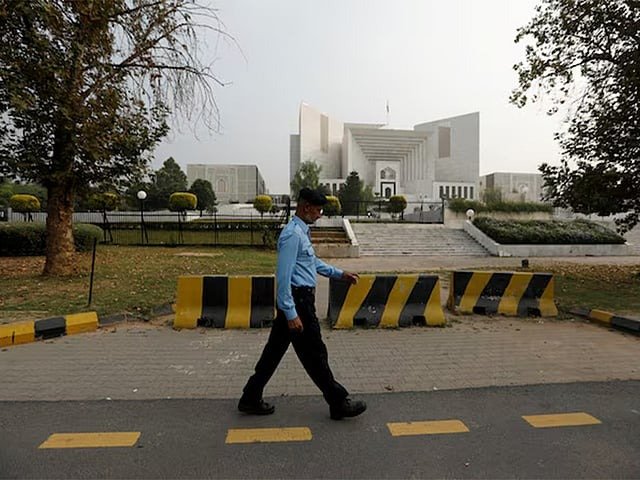
In another major development, Iraq’s Federal Supreme Court issued a ruling declaring that the current government must transition into a caretaker role now that the outgoing parliament’s term has ended. This ruling limits the government’s ability to make major decisions, sign long-term agreements, or appoint senior officials.
A caretaker administration can only manage routine duties and essential functions of the state. This ensures that major political or financial decisions are not made without the approval of a newly formed parliament.
The president of Iraq will continue in office until the new parliament is sworn in and completes the selection of its leadership.
Political Implications and Next Steps
The election results highlight several key dynamics shaping Iraqi politics:
1. Al-Sudani Remains a Central Figure
Even without a majority, the 46 seats won by his coalition give Al-Sudani considerable leverage in coalition negotiations. His performance also strengthens his position within the Coordination Framework, which will play a decisive role in determining the next government.
2. A Fragmented Parliament Will Require Broad Alliances
Shia-led blocs dominate the top positions, but Kurdish and Sunni parties will be essential partners in forming a stable government. Coalition-building in Iraq traditionally involves prolonged discussions, compromises, and power-sharing agreements.
3. Caretaker Phase May Slow Policy Decisions
With the government restricted in its powers, major reforms, economic plans, and international agreements may face delays until the new parliament is seated and the next prime minister is confirmed.
Conclusion
The 2025 Iraqi election has produced no outright winner, but it has reinforced the political weight of Prime Minister Al-Sudani’s coalition. As negotiations begin, Iraq enters a familiar yet delicate phase of political bargaining, where alliances will determine the shape and direction of the next government. The coming weeks will be crucial—not only for political leaders but also for citizens hoping that the next government can deliver stability, growth, and long-awaited reforms.
Related News