
Pakistan and Saudi Arabia Seal Historic Defence Pact
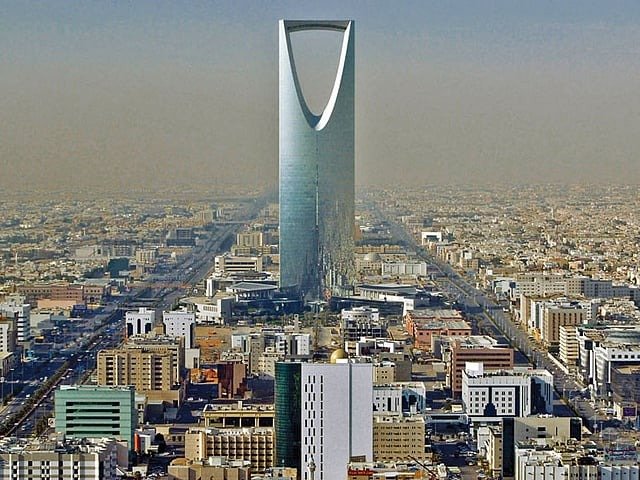
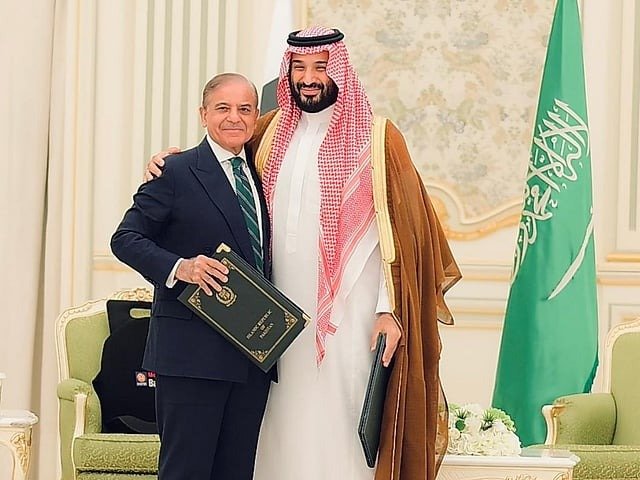
The signing of a Strategic Mutual Defence Agreement (SMDA) between Pakistan and Saudi Arabia has been hailed as a historic moment in bilateral relations, cementing the decades-old partnership into a formal security alliance. The pact, signed on September 17, 2025, at al-Yamamah Palace in Riyadh, underscores both nations’ commitment to treating an attack on one as an attack on both, elevating their cooperation to a new strategic level.
The Signing Ceremony
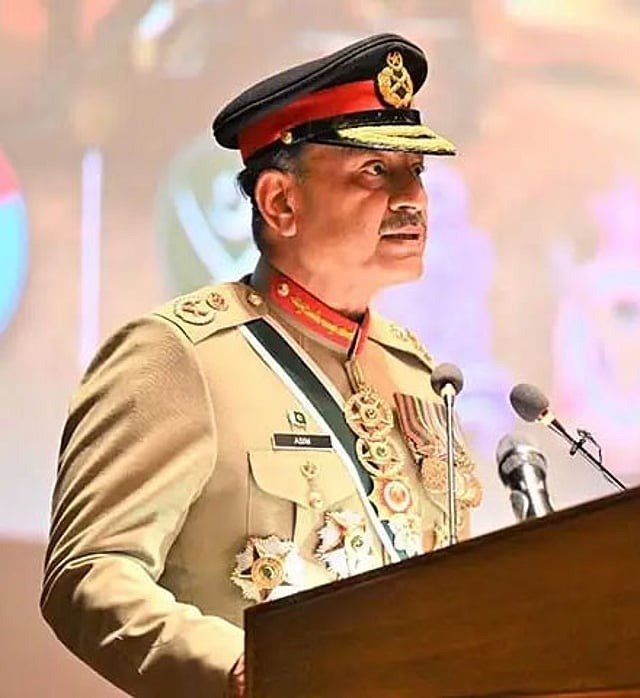
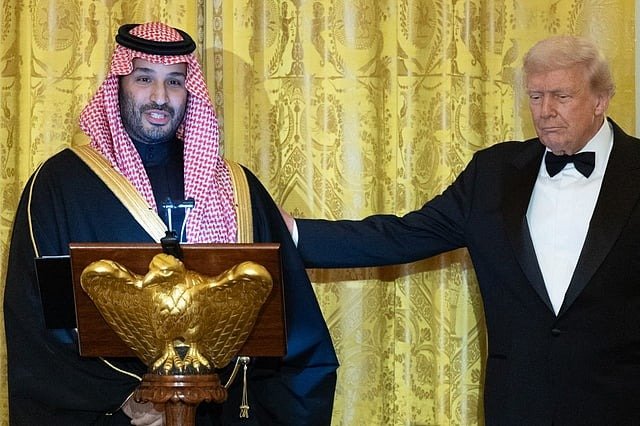
The agreement was signed during the official visit of Pakistan’s Prime Minister Shehbaz Sharif to Saudi Arabia at the invitation of Crown Prince and Prime Minister Mohammed bin Salman (MBS). The ceremony brought together senior civilian and military leaders, including Pakistan’s Army Chief General Syed Asim Munir and Saudi Arabia’s Defence Minister Prince Khalid bin Salman.
The joint statement issued afterward declared the pact a milestone that will “develop aspects of defence cooperation, strengthen deterrence against aggression, and contribute to peace in the region and beyond.”
A Relationship Built on History
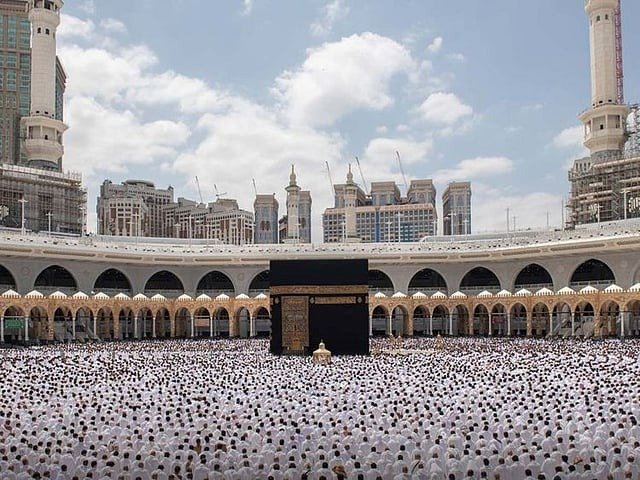
Pakistan and Saudi Arabia have shared deep ties for nearly eight decades, rooted in Islamic solidarity, economic assistance, and defence cooperation. Riyadh has long provided Islamabad with financial aid, energy support, and employment opportunities for millions of Pakistani workers. In return, Pakistani military experts have trained and advised Saudi forces, with Pakistani troops historically stationed in the Kingdom for joint security missions.
The SMDA is thus not a beginning but a formal codification of an already robust security partnership. Analysts describe it as a “watershed moment” that transforms the relationship from friendship to a legally binding defence alliance.
Key Features of the Defence Pact
Mutual Defence Commitment
The pact establishes that any aggression against one country will be treated as aggression against both, effectively creating a joint deterrence shield. This clause places their alliance in the same category as formal security blocs seen elsewhere in the world.
Strengthened Regional Security
By pledging coordinated defence, both nations signal their intent to maintain stability in the Middle East, South Asia, and the Gulf. At a time of rising tensions in the region, the pact projects a unified front against external threats.
Beyond Traditional Ties
The agreement shifts Pakistan–Saudi relations from transactional cooperation to a structured security alliance. For Saudi Arabia, it broadens its defence partnerships beyond traditional Western allies. For Pakistan, it strengthens its strategic footprint in Gulf security.
Potential for Future Cooperation
While the pact does not explicitly mention nuclear cooperation, Pakistan’s status as a nuclear power lends symbolic weight to the agreement. Observers also expect greater collaboration in defence technology, energy security, and joint training exercises.
A Warm Welcome for Sharif
Prime Minister Sharif’s visit to Riyadh was marked by ceremonial grandeur. His aircraft was escorted by Saudi Air Force jets as it entered Saudi airspace, a symbolic gesture of brotherhood. At the airport, he was received with full state honours, underscoring the significance of the occasion.
Inside al-Yamamah Palace, discussions between delegations covered not only security but also trade, investment, and regional developments, highlighting the broader strategic partnership beyond defence.
Why the Pact Matters
Formalises a Long-Standing Relationship: For decades, the two countries cooperated informally on security matters. The SMDA makes these commitments official and binding.
Creates a Joint Deterrence Shield: By declaring that an attack on one will be seen as an attack on both, the agreement raises the cost of hostile actions by potential aggressors.
Strengthens Regional Security Posture: The Middle East is undergoing significant geopolitical shifts. The pact signals that Riyadh and Islamabad are ready to take more responsibility for their own security.
Boosts Pakistan’s Strategic Standing: Islamabad now has a formal role in Gulf security, enhancing its influence in regional diplomacy and potentially attracting new economic opportunities.
Expands Saudi Arabia’s Defence Options: For Riyadh, aligning with a nuclear-armed military strengthens its security framework and complements its broader push for self-reliance and diversification of defence partnerships.
Looking Ahead
The operational details of the SMDA—such as joint exercises, command coordination, and crisis-response protocols—are yet to be unveiled. However, the symbolic and strategic weight of the agreement is already clear. It not only redefines the Pakistan–Saudi partnership but also has ripple effects across South Asia, the Middle East, and the wider Islamic world.
Conclusion
The Pakistan–Saudi Arabia defence pact represents more than just a bilateral agreement—it is a landmark strategic alignment. By pledging joint defence and deepened cooperation, the two nations have moved beyond their historical friendship into a binding alliance with far-reaching implications.
As regional challenges mount, the pact positions Pakistan as a central player in Gulf security and provides Saudi Arabia with a strong, experienced partner. Together, Islamabad and Riyadh have signalled to the world that their partnership is not only enduring but also evolving to meet the demands of a changing global order.
Related News