
Trump’s Remarks on Somali Immigrants Spark US Backlash
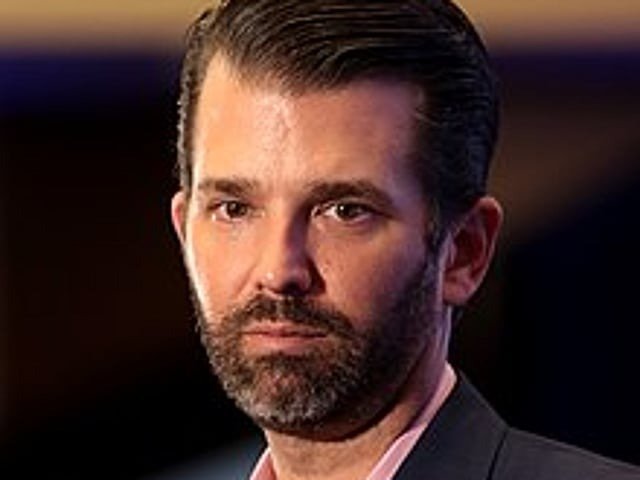
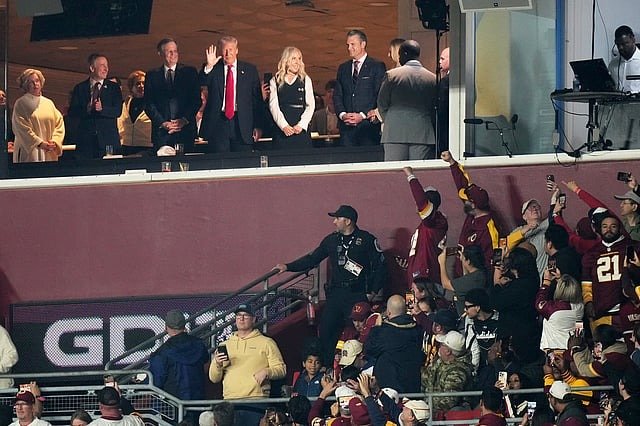
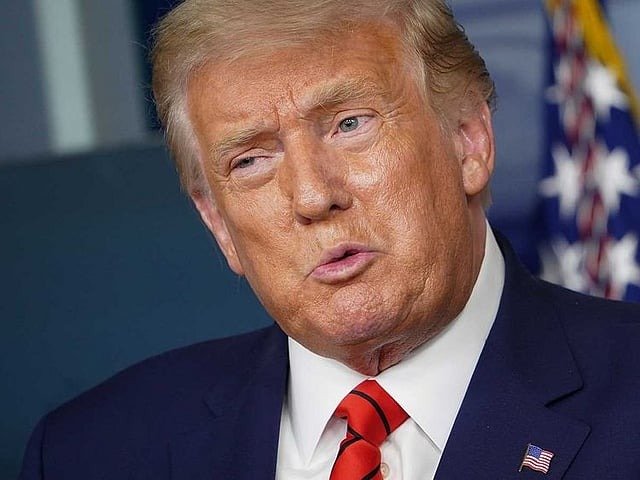
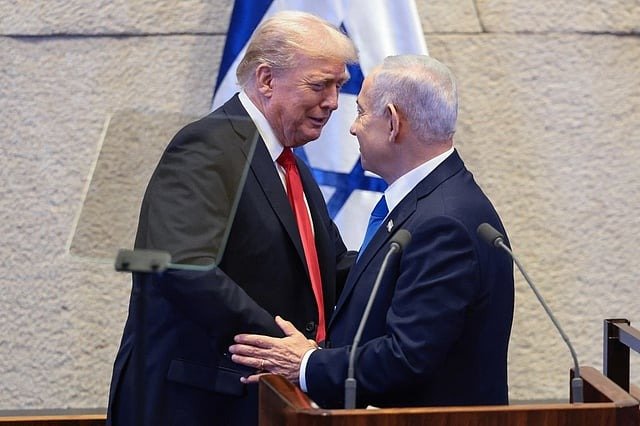
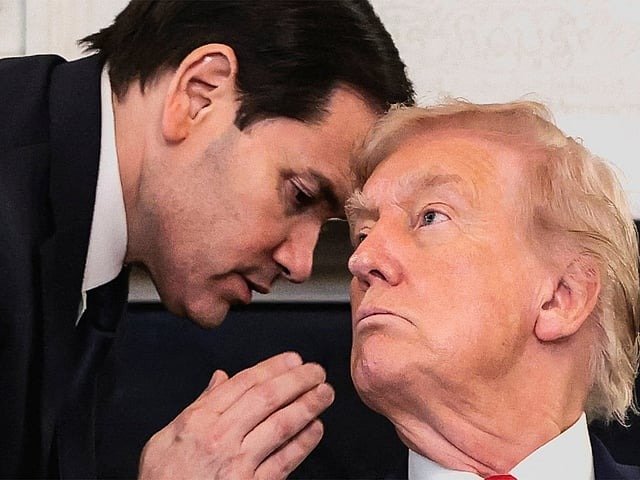
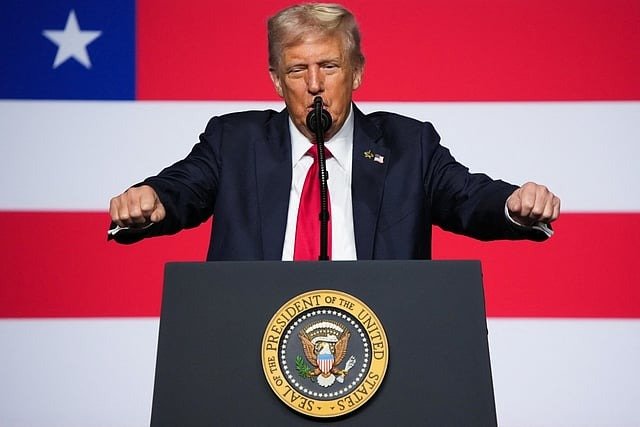
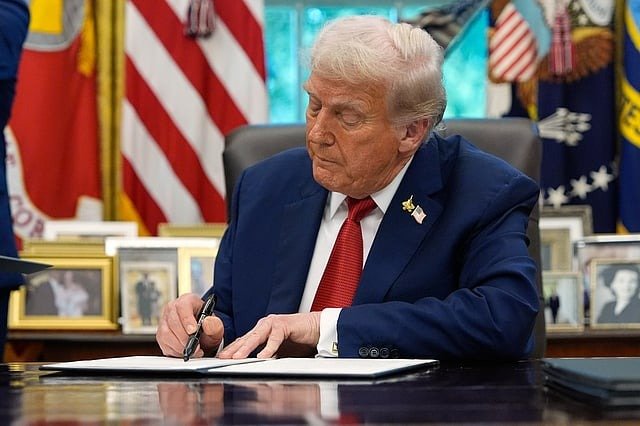
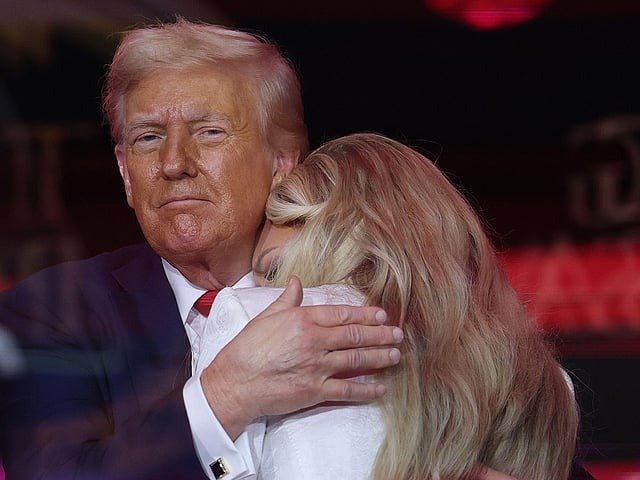
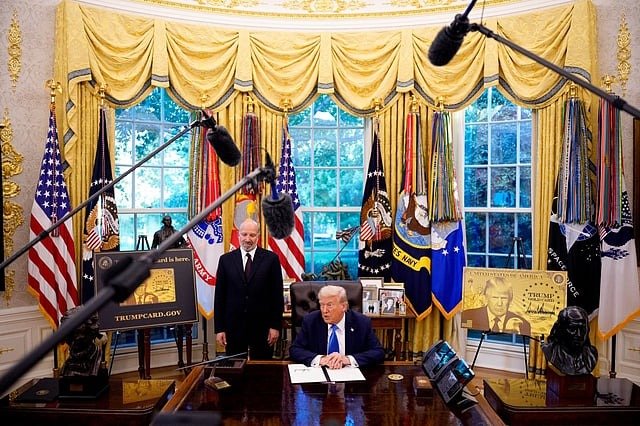
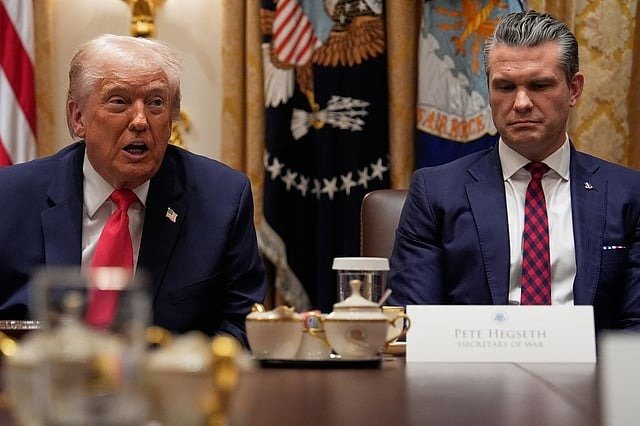
US President Donald Trump has ignited fresh controversy after making sweeping remarks about Somali immigrants, saying he does not want them in the United States and urging the broader community to return to their homeland. The comments, delivered during a Cabinet meeting at the White House, drew immediate condemnation for targeting an entire immigrant group and blurring the line between citizens, refugees, and non-citizens.
Speaking to reporters, Trump characterised Somali immigrants as overly dependent on US social welfare systems and claimed they add little value to the country. “They contribute nothing. I don’t want them in our country,” he said, before adding that Somalis should “go back to where they came from and fix it.” The president’s remarks made no distinction between Somali Americans who are US citizens and those who arrived as refugees decades ago.
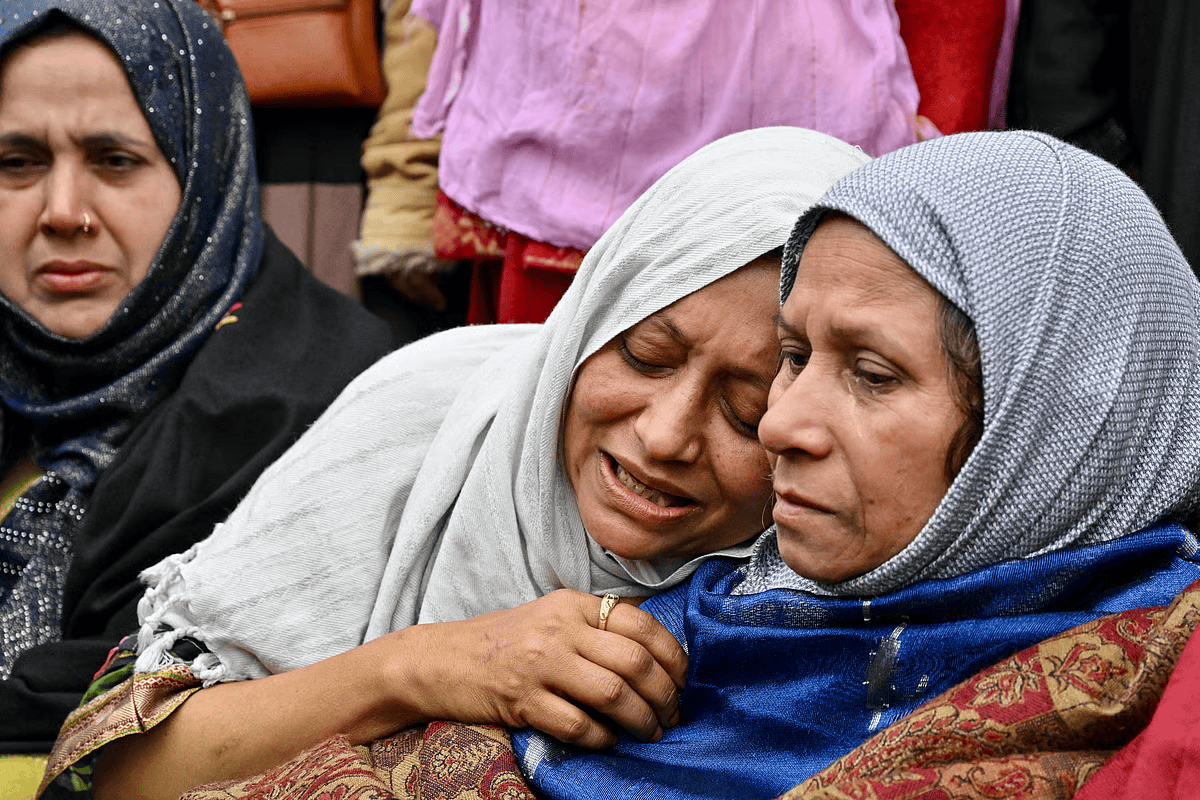
Somali communities have been settling in the United States since the early 1990s, many fleeing civil war and instability. Minnesota, in particular, is home to the largest Somali diaspora in the country, with tens of thousands of residents contributing across business, healthcare, education, and public service. Trump’s comments, however, portrayed the entire community in negative terms, prompting concern and anger among immigrants and local leaders alike.
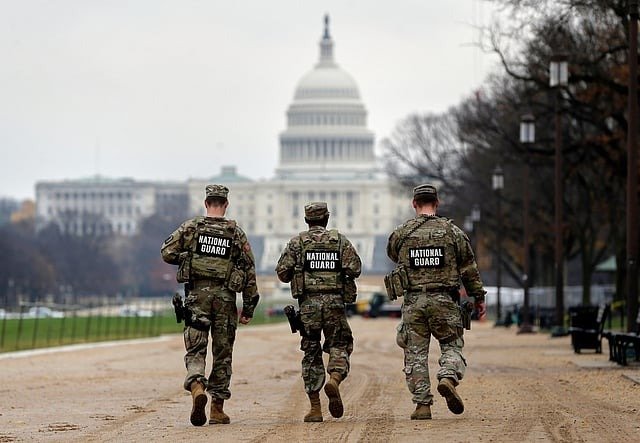
The remarks followed the administration’s recent announcement that it would halt asylum decisions after the fatal shooting of two National Guard soldiers in Washington. Although the suspect in that incident was reportedly from Afghanistan, Trump used the moment to broaden his critique of immigration from other countries, including Somalia.
Trump’s rhetoric toward Somalis is not new. Over the years, he has repeatedly targeted Ilhan Omar, a Democratic congresswoman from Minnesota who came to the US as a child refugee from Somalia in 1995. In his latest comments, Trump escalated his language, repeatedly insulting Omar and describing her and her associates in deeply derogatory terms.
Last week, Trump also amplified unsubstantiated allegations circulated by a conservative commentator claiming that funds from Minnesota aid programmes had been diverted to Al-Shabab, the Al-Qaida-linked militant group operating in parts of Somalia. While no evidence has been publicly presented to support those claims, Trump used them to label Minnesota a “hub of fraudulent money laundering activity” and vowed to send Somalis “back to where they came from.”
On Tuesday, the president went further, pledging to terminate temporary legal protections for Somalis living in Minnesota. The proposal has alarmed immigrant advocates and legal experts, who question whether the White House has the authority to end such protections unilaterally. According to a recent congressional report, only a small number of Somalis—around 705 nationwide—are currently covered under Temporary Protected Status, meaning the practical impact would be limited but symbolically powerful.
Omar responded quickly on social media, calling Trump’s fixation “creepy” and suggesting he needs help. Her remarks echoed a broader wave of pushback from state and local officials, who accused the president of stoking fear and singling out a minority community for political gain.
Among those denouncing Trump’s comments was Jacob Frey, the mayor of Minneapolis. Frey described the president’s message as “wrong” and emphasised the positive role Somali immigrants have played in his city. He noted that they have built successful businesses, created jobs, and enriched Minneapolis’ cultural life.
“To villainise an entire group like this is ridiculous under any circumstances,” Frey said. He also warned that such rhetoric raises serious constitutional and moral concerns, arguing that it undermines the values of fairness and inclusion the country claims to uphold.
Immigration experts and civil rights advocates say the episode reflects a broader pattern of using immigrant communities as political scapegoats. They warn that such language not only spreads misinformation but also fuels hostility and insecurity among law-abiding residents.
As criticism continues to mount, Trump’s latest statements have once again placed immigration—and the treatment of minority communities—at the centre of a divisive national debate, with Somali Americans left grappling with the fallout from rhetoric that many say questions their place in the country they call home.
Related News