

Trump Defends H-1B Visas, Says ‘You Do Need to Bring in Talent’
Trump Says Skilled Foreign Workers Still Needed Despite Stricter Visa Rules
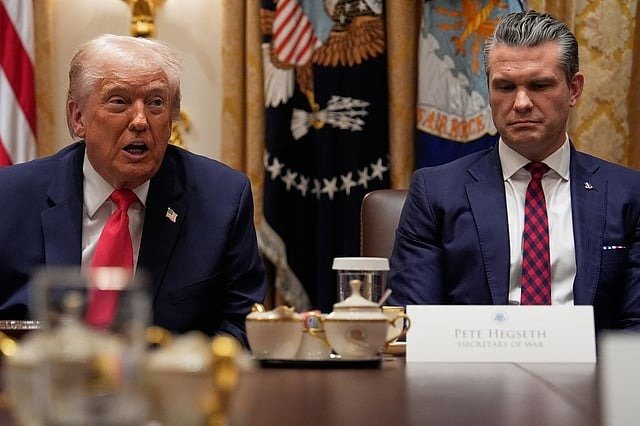
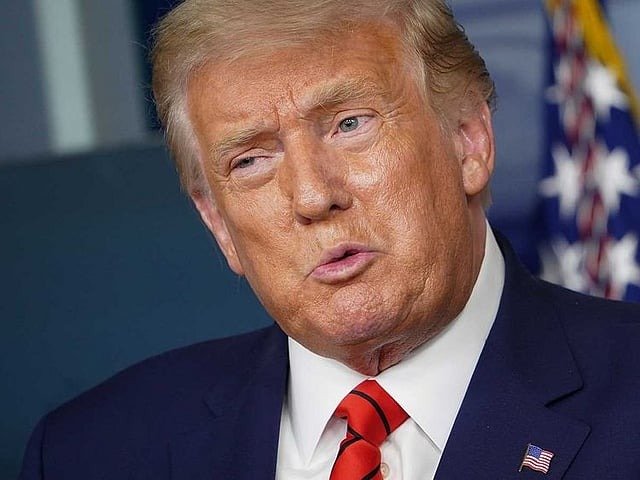
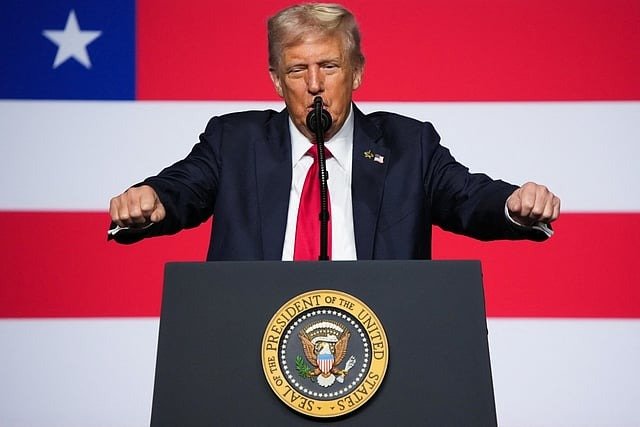
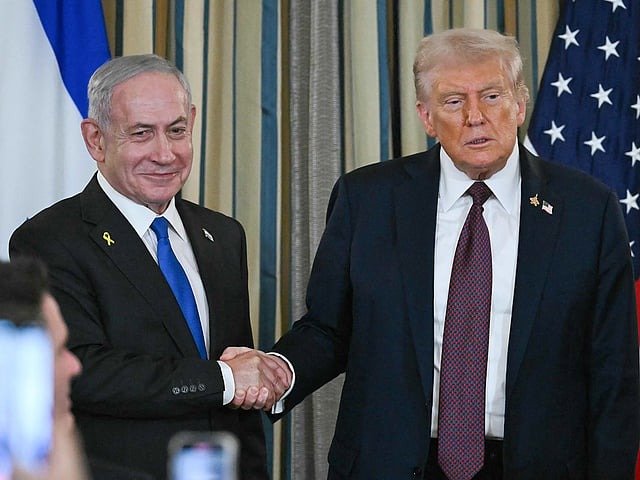
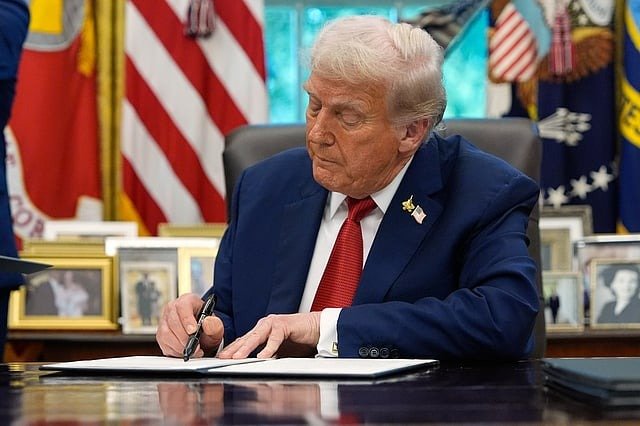
In a new interview with Fox News, US President Donald Trump defended the use of H-1B visas for skilled foreign workers, saying that America still needs global talent despite his administration’s tightening of immigration policies. His comments mark a nuanced shift in tone from previous hardline rhetoric, suggesting that while he remains focused on protecting American jobs, he also acknowledges the need for expertise that isn’t readily available within the US workforce.
“You Do Need to Bring in Talent”
Speaking to host Laura Ingraham, Trump was asked whether his administration would reduce reliance on skilled worker visas — a move that some argue could protect US wages. In response, Trump said bluntly,
“You also do have to bring in talent.”
When Ingraham countered that the US already had “plenty of talented people here,” Trump disagreed.
“No, you don’t have certain talents,” he replied. “You can’t take people off an unemployment line and say, ‘We’re going to make missiles.’ People have to learn — some skills take years to develop.”
His comments underline a pragmatic view that certain specialized industries — particularly defense, manufacturing, and advanced technology — rely heavily on foreign expertise, at least in the short term.
A Tougher H-1B Policy Environment
Despite this defense, Trump’s administration has significantly tightened visa regulations. Earlier in 2025, it imposed a $100,000 application fee on companies filing H-1B visa petitions — a massive increase that critics say effectively prices out small and mid-sized firms.
The H-1B visa, long used by major tech companies like Google, Amazon, and Microsoft, allows US employers to hire foreign professionals in specialized fields such as engineering, software, and medicine. However, the hefty new fee has sparked backlash from business groups, including a lawsuit by the US Chamber of Commerce, arguing that the policy discourages innovation and global competitiveness.
Balancing Protectionism and Industry Needs
The H-1B debate highlights the tension between Trump’s “America First” labor policies and the demands of corporate America, which relies on skilled immigration to fill technical gaps.
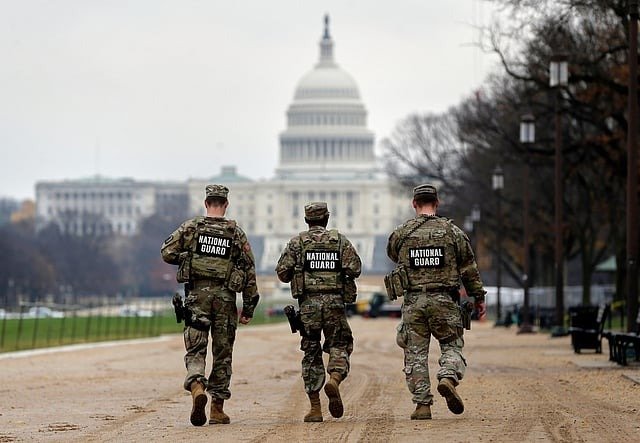
During his second term, Trump has stepped up deportations of undocumented migrants, even deploying troops to major US cities to assist immigration enforcement. These actions have stirred concern among business leaders about potential labor shortages, especially in industries that depend on both skilled and semi-skilled workers.
At the same time, employers have become less willing to sponsor international graduates — closing a pathway that many foreign students previously used to transition from US universities into tech or engineering roles.
This combination of tighter visa controls and stricter immigration enforcement has created uncertainty for both global investors and skilled professionals seeking to work in the United States.
Diplomatic Fallout After Georgia Factory Raids
The administration’s immigration crackdown has also strained relations with key US allies, including South Korea. In September 2025, US authorities raided a Hyundai Motor and LG Energy Solution battery plant in Georgia, detaining more than 300 South Korean engineers and technicians accused of working illegally.
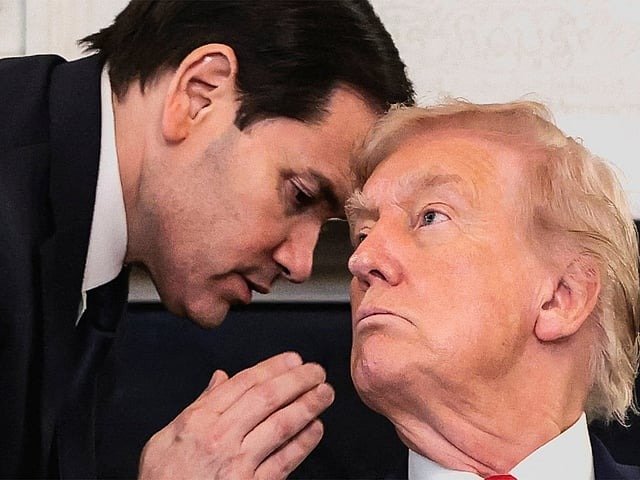
The incident sparked diplomatic friction with Seoul, prompting Secretary of State Marco Rubio to reassure South Korean officials that the United States “remains open to lawful investment and skilled workers.”
In his Fox News interview, Trump defended the raid but acknowledged the complexity of such industries:
“They had people from South Korea that make batteries all their lives — it’s not an easy job. You can’t just take people off the unemployment line and expect them to build missiles or batteries. It doesn’t work that way.”
His remarks reflect a recognition that industrial expansion — particularly in advanced manufacturing sectors — depends on expertise that can’t be instantly replaced by domestic labor.
A “Whole New Plan” for Skilled Immigration
Despite the controversies, Trump reiterated his commitment to designing a “whole new plan” for highly skilled workers. The proposed framework, he said, would aim to balance American labor interests with the need for specialized global talent.
While specific details remain unclear, the new plan is expected to include streamlined pathways for experts in critical industries, such as semiconductors, clean energy, and defense manufacturing — sectors central to Trump’s “Made in America” strategy.
Looking Ahead
Trump’s comments suggest a more nuanced stance on immigration than in his first term — one that acknowledges the role of foreign talent in sustaining economic growth. However, critics argue that his contradictory policies — inviting talent while imposing financial and bureaucratic barriers — risk undermining the very innovation he hopes to attract.
For now, the message is clear:
While the administration remains focused on protecting American workers, Trump sees skilled immigration not as a threat — but as a strategic necessity to keep the United States competitive in a global economy driven by advanced technology and expertise.
Related News