
Qatar launches world’s largest 3D-printed construction project with two futuristic schools
Doha, Qatar: Qatar has officially begun the printing phase of what is being hailed as the world’s largest 3D-printed construction project, with two cutting-edge public schools set to rise in Doha. The initiative is a first of its kind in both scale and ambition, signaling a new era in sustainable, digitally driven infrastructure development.
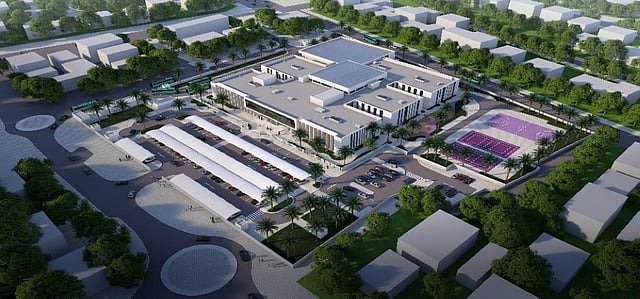
Led by UCC Holding in partnership with the country’s Public Works Authority (Ashghal), the project is part of Qatar’s wider plan to build 14 new public schools nationwide. Each of the two schools will span 20,000 square meters, bringing the combined total to 40,000 sqm — making the development 40 times larger than any previously completed 3D-printed structure anywhere in the world.
Redefining construction at scale
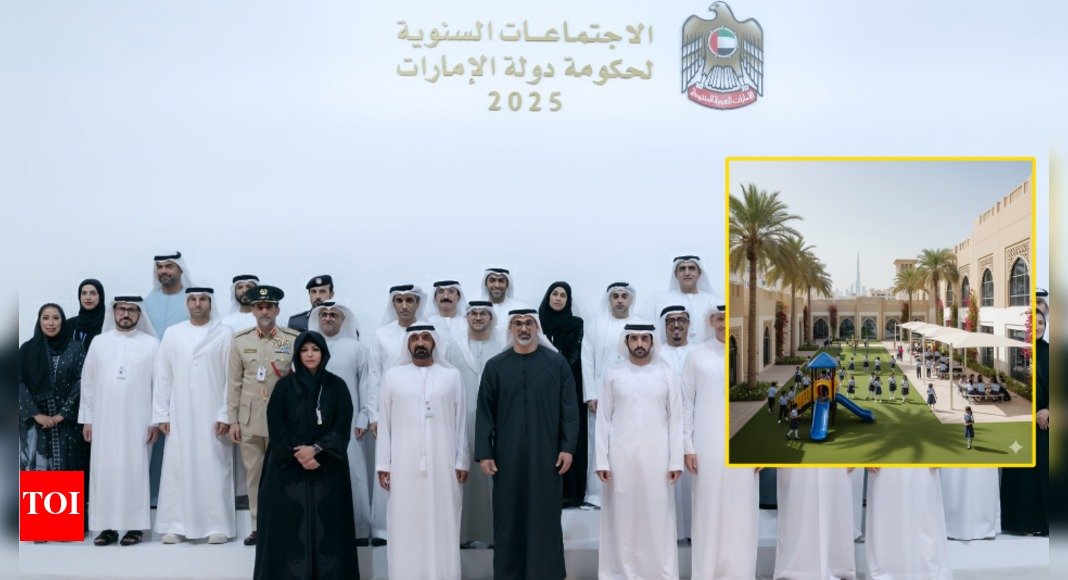
The two schools, designed as two-storey educational facilities, will sit on 100-by-100-meter plots and incorporate futuristic architectural designs. Their dune-inspired, curved walls reflect Qatar’s desert landscapes, a geometry made possible only through 3D printing technology.
Construction is scheduled for completion by the end of 2025, positioning Qatar as a global leader in adopting advanced construction technologies for large-scale public infrastructure.
The technology behind the build
To deliver the unprecedented project, UCC commissioned COBOD International, a Danish pioneer in 3D construction printing, to provide two of its largest printers: the BODXL models. Each printer measures 50 meters long, 30 meters wide, and 15 meters high — the equivalent of a Boeing 737 hangar.
Before work commenced, months of preparation included printer assembly, site development, and more than 100 full-scale test prints at a dedicated facility in Doha. In May, UCC’s team underwent intensive training with COBOD engineers, covering material refinement, printer operation, and live quality control. This collaboration led to the development of a custom nozzle that ensures precision and durability in Qatar’s challenging climate.
Night-time printing to beat the heat
Uniquely, the printing process takes place overnight to avoid the region’s intense daytime heat, ensuring the concrete’s strength and minimizing dust and noise pollution. Printing at night also reduces energy consumption while helping the material cure in more stable conditions.
Environmental and economic benefits
Compared to traditional construction, 3D printing brings substantial benefits:
Less waste: Digital fabrication drastically cuts raw material usage.
Lower emissions: Reduced transportation and efficient material mixing lower carbon output.
Faster timelines: Large-scale printers accelerate build speeds without compromising quality.
Design flexibility: Freeform geometries, such as dune-like walls, are only achievable with 3D printing.
The schools will feature modern educational layouts, energy-efficient systems, and materials engineered to withstand Qatar’s harsh climate while reducing environmental impact.
A milestone for Qatar and the region
The project cements Qatar’s position as a regional pioneer in advanced construction technologies. By combining digital innovation, sustainability, and architectural creativity, the initiative offers a model for future large-scale 3D-printed developments across the Gulf and beyond.
Officials highlighted the project’s dual significance: enhancing Qatar’s education infrastructure while demonstrating how new technologies can transform public-sector construction.
“This project not only sets a new world record but also redefines how nations can approach infrastructure with a balance of sustainability, efficiency, and cultural identity,” said a senior Ashghal representative.
Looking forward
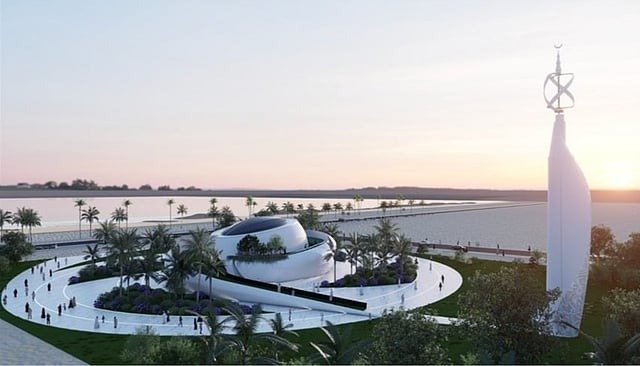
Once completed, the schools will serve as global case studies in digital construction, inspiring further applications in housing, healthcare, and civic buildings. As other nations in the Middle East experiment with 3D printing for mosques, housing, and public amenities, Qatar’s bold step marks the next level: megascale public infrastructure.
With the first layers already being printed under Doha’s night sky, the project is not just a construction milestone but a vision of the future — where sustainability, technology, and tradition work hand in hand.
Related News