
Taiwan Flood Disaster: 14 Dead, 124 Missing After Barrier Lake Bursts in Hualien
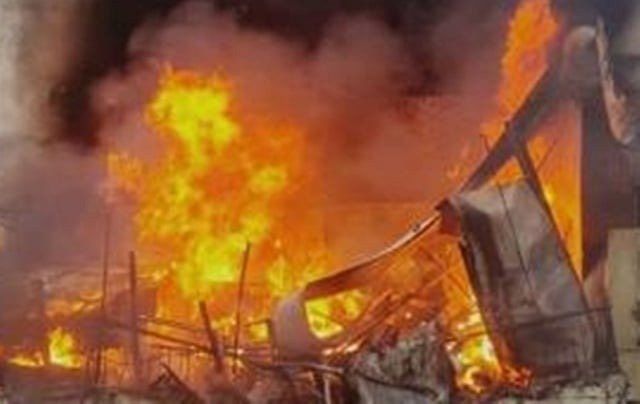
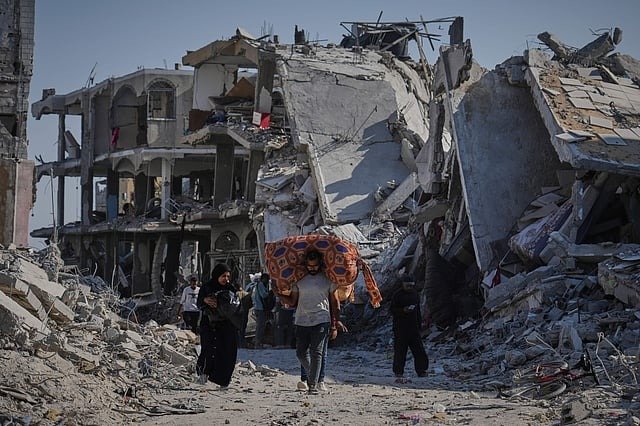
Taiwan is reeling from a devastating natural disaster after a decades-old barrier lake in Hualien County burst on Tuesday, unleashing a torrent of floodwaters and mud that destroyed homes, bridges, and entire neighborhoods. Authorities confirmed that 14 people have been killed, 18 injured, and at least 124 remain missing following the catastrophe.
The incident occurred as Super Typhoon Ragasa pounded Taiwan with torrential rain and fierce winds, displacing thousands of residents and compounding the destruction left behind.
How the Disaster Unfolded
The barrier lake, located in eastern Hualien, could no longer withstand the immense pressure from days of heavy rainfall. On Tuesday afternoon, the lake suddenly burst, releasing a roaring wall of muddy water that swept across Kuang Fu township.
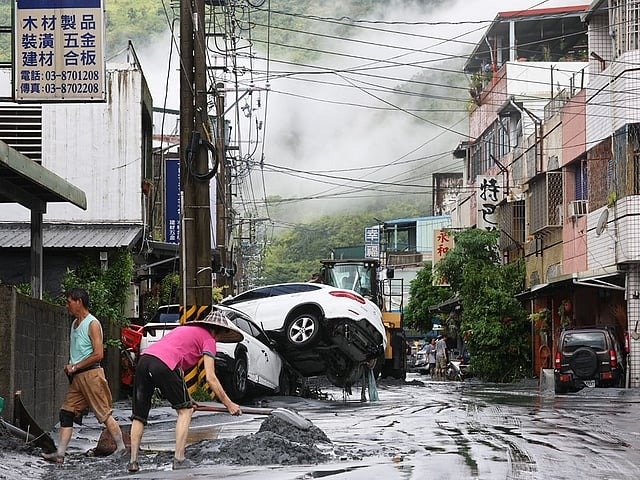
The force of the floodwaters destroyed a bridge over Mataian Creek, engulfed vehicles, and inundated residential areas with deep layers of sludge. Many residents were caught off guard. One survivor, Hsu Cheng-hsiung, 55, described the moment vividly:
“It was like a volcano erupting. The muddy floodwaters came roaring straight into the first floor of my house.”
Videos released by Taiwan’s National Fire Agency showed submerged cars, uprooted trees, and streets buried in thick mud, resembling scenes from a disaster movie.
Casualties and Missing Persons
The Hualien County Government confirmed the death toll at 14, with 18 injured and 124 people unaccounted for. Search-and-rescue teams are working around the clock, but officials warned that operations are hampered by difficult conditions.
“It was a disaster movie,” said Yen Shau, 31, a resident who recalled how many people were still shopping at a local supermarket just an hour before the floods struck. Within minutes, water rose halfway up to the first floor of his home.
Rescuers continue to comb through collapsed structures and mud-covered neighborhoods in search of survivors. Helicopters have been deployed to access isolated communities, while emergency shelters have been set up for displaced families.
Widespread Evacuations Across Taiwan
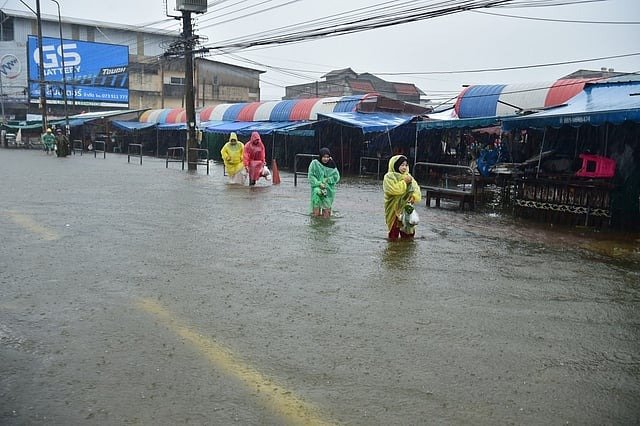
The bursting of the lake was just one part of a wider emergency triggered by Typhoon Ragasa. Across Taiwan, more than 7,600 people were evacuated as torrential rains caused flash floods, landslides, and transportation chaos. Schools and businesses in several regions were forced to close, while domestic flights faced disruptions.
Hualien, located on Taiwan’s eastern coast, bore the brunt of the storm. In Guangfu township, cars were left stranded in knee-deep mud, while residents could be seen sitting on rooftops to escape rising waters.
Survivors Struggle with Aftermath
For survivors, the battle has now shifted to recovery. Many are working tirelessly to clear thick mud from homes and businesses.
“The mud was just too deep, too deep to dig out,” said Hsu Cheng-hsiung, who spent Wednesday shoveling sludge out of his home.
Residents also expressed fears of another breach, as water levels in surrounding areas remain dangerously high.
Taiwan’s Vulnerability to Typhoons
Taiwan lies in the path of frequent tropical storms and typhoons, particularly from July to October. These storms bring heavy rainfall that often causes floods and landslides in mountainous regions like Hualien.
Earlier in July, Typhoon Danas swept across Taiwan, leaving two dead and injuring hundreds after dumping more than 50 centimeters of rain in southern areas over a weekend.
The latest disaster underscores the vulnerability of Taiwan’s aging infrastructure. Experts have long warned that older natural dams and barrier lakes, formed by landslides, pose a risk of sudden collapse during intense rain events.
Government and Relief Efforts
The Taiwanese government has mobilized the National Fire Agency, military forces, and local emergency units to lead rescue and relief efforts. President and top officials have pledged swift assistance to affected families, while disaster relief funds are being allocated to support rebuilding.
International aid groups and neighboring countries have also expressed readiness to assist Taiwan in managing the aftermath of Typhoon Ragasa.
Looking Ahead
For Taiwan, the tragedy in Hualien is a stark reminder of the destructive power of natural disasters. As climate change intensifies extreme weather patterns, experts warn that Taiwan must invest further in disaster preparedness, resilient infrastructure, and early-warning systems to protect vulnerable communities.
For now, the focus remains on search-and-rescue operations, supporting survivors, and restoring essential services to towns devastated by the barrier lake’s collapse.
Related News