
Pakistani Women Firefighters Redefine Emergency Services
A powerful shift is taking place in Pakistan’s emergency services as more young women break into the country’s traditionally male-dominated firefighting profession. Their growing presence is reshaping public perceptions, strengthening rescue operations, and proving that gender has no boundaries when it comes to saving lives.
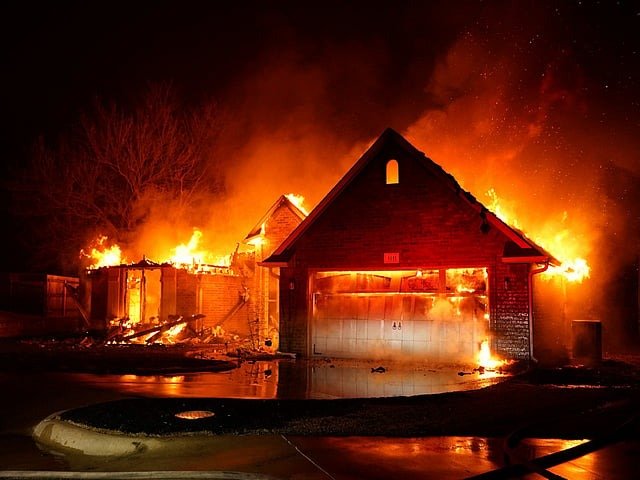
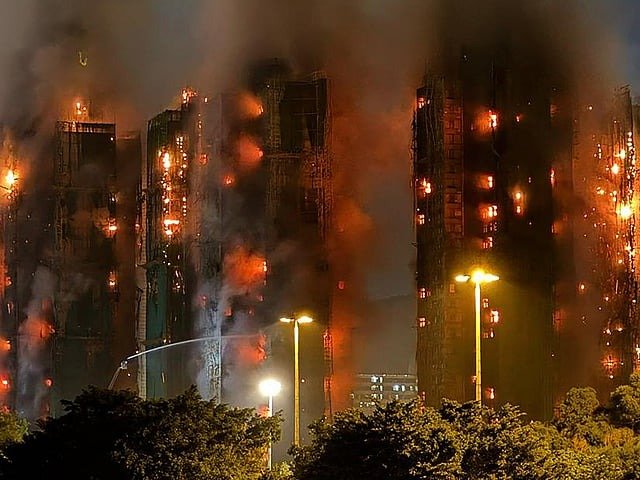
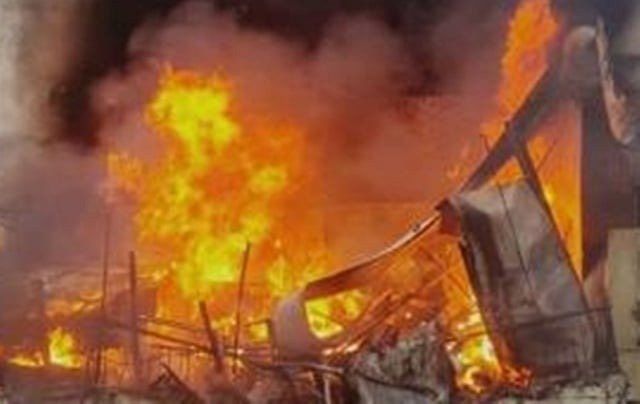
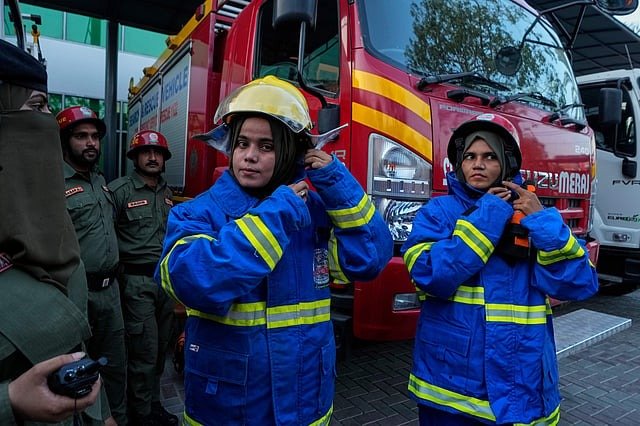
The transformation was visible during a recent fire on the outskirts of Karachi, where a massive blaze erupted at a tyre storage facility. Thick smoke rose over industrial buildings as firefighters rushed to the scene. Among the first responders was 23-year-old Syeda Masooma Zaidi, one of Pakistan’s pioneering female firefighters. Without hesitation, Zaidi stepped into the danger zone alongside her male colleagues, battling soaring flames, toxic fumes, and intense heat as the fire threatened to spread to nearby warehouses.
After hours of coordinated efforts, firefighters managed to contain the blaze. No casualties were reported, but the incident caused tens of thousands of dollars in damage. As soot-covered responders emerged from the smoke, onlookers applauded their bravery. For many, it was a striking reminder of how women like Zaidi are reshaping the face of Pakistan’s rescue services.
A New Era for Women in Firefighting
Until 2024, women firefighters were nearly nonexistent in Pakistan, with only a handful of trailblazers entering the field. The journey began with Shazia Perveen, who made history in 2010 as Pakistan’s first female firefighter in Punjab. Her courage opened the door for future generations, inspiring women across the country to challenge gender norms.
Today, the shift is remarkable. In Sindh province alone, around 50 women are serving as active firefighters, and an additional 180 women are currently undergoing training to become rescue divers, emergency medical technicians, and disaster responders.
Officials say the change is no longer symbolic—it is practical, powerful, and contributing to better emergency outcomes. Women are increasingly being recognized for their resilience, adaptability, and ability to connect with female victims in culturally sensitive situations.
Mastering High-Angle Rescues and Industrial Fires
Zaidi, trained at the Punjab Rescue Service Academy, has advanced expertise in high-angle rescues, industrial fire management, and water-related emergencies. Her diverse skills reflect the rigorous training Pakistan’s rescue services now provide to women recruits.
But despite her qualifications, she continues to face public skepticism. “When we arrive at a site, people still say, ‘She’s a girl; how can she rescue anyone?’ Every time we save a life, we prove that women can do this job just as well as men,” Zaidi said, recalling how judgment often turns into admiration once people witness the work firsthand.
Her teammate, 23-year-old firefighter Areeba Taj, shares similar experiences. Many civilians are surprised when they see women in firefighting gear. But Taj emphasizes that women bring unique strengths to emergency work—especially in situations involving injured women and children who might feel more comfortable receiving assistance from a female responder.
Their supervisor, Ayesha Farooq, sees the progress as a milestone for both the profession and the country. “By joining rescue services, these young women earn respect not only for themselves but for Pakistan. They are role models for thousands of girls who once believed such careers were impossible.”
From Breaking Taboos to Delivering Results
For Zaidi, firefighting is more than a profession—it is a calling shaped by courage, faith, and a sense of duty. Growing up with seven brothers and a sister, she learned early on that strength comes from responsibility, not gender. “People still doubt us,” she said, “but every mission gives us another opportunity to prove them wrong.”
Dr. Abid Jalaluddin Shaikh, head of the Sindh Emergency Service, confirms that the presence of women in firefighting is now creating measurable improvements in rescue operations. “The focus is no longer on breaking taboos,” he explained. “We are seeing real, tangible results. These women are saving lives and raising the overall standard of emergency services.”
A Future Shaped by Determination and Leadership
Pakistan’s growing force of women firefighters is more than a symbolic achievement. It reflects a deep cultural shift toward inclusivity, professionalism, and national progress. From battling industrial fires to performing high-risk rescues, these women are redefining what it means to serve on the front lines.
Their courage is setting a new standard for the next generation—one in which emergency services in Pakistan are stronger, more diverse, and more capable than ever before.
Related News