
Oman to build Sultanate’s first 3D-printed mosque in Salalah
Salalah, Oman: The Sultanate of Oman is set to enter a new chapter in architectural innovation with the announcement of its first-ever 3D-printed mosque, to be built in the Dhofar Governorate. The project, unveiled by Oman News Agency (ONA), combines Islamic tradition with futuristic construction methods, marking a milestone in sustainable urban development.
The mosque will be constructed by Innotech Oman, a pioneer in 3D printing for construction, in partnership with Oday Architecture, known for blending heritage with modern design. The agreement was signed in the presence of Sayyid Marwan bin Turki Al Said, Governor of Dhofar, and brings together Dhofar Municipality, led by Dr. Ahmed bin Mohsen Al Ghassani, and project sponsor Engineer Yasser bin Said Al Barami.
A design inspired by faith and nature
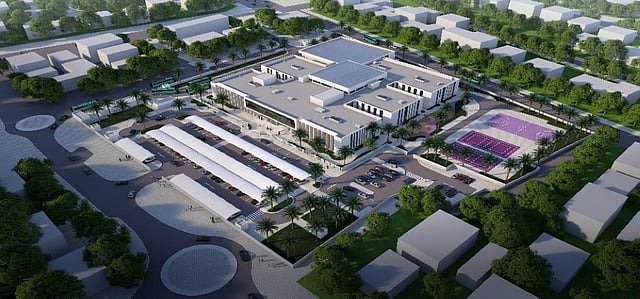
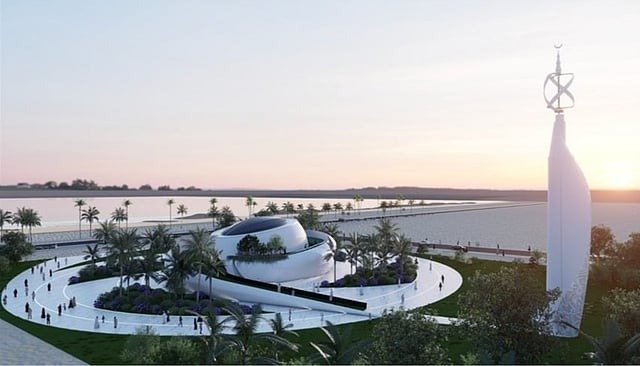
The architectural design is inspired by the image of a spiral ribbon, a symbolic form that creates shaded walkways, tiered green spaces, and flowing paths for worshippers and visitors. At the heart of the mosque will be an oval-shaped prayer hall, illuminated by a central oculus that allows natural light to filter through. This symbolic gesture represents divine guidance, aligning the design with Islamic values of light and spirituality.
The minaret, a signature element of Islamic architecture, will be inspired by the Omani sail and the country’s traditional frankincense burner. Crowned with the Islamic crescent, the structure will harmonize Oman’s cultural identity with modern innovation, serving as a landmark along the Dahariz Waterfront Development Plan in Salalah.
Innovation meets sustainability
What sets this project apart is its strong emphasis on sustainability. The mosque will integrate renewable energy technologies, including systems to harvest motion, wind, and solar power. The use of 3D printing is expected to reduce construction time, minimize material waste, and allow precision in design, making the mosque both eco-friendly and cost-efficient.
Dr. Ahmed bin Mohsen Al Ghassani, Chairman of Dhofar Municipality, said the project embodies the governorate’s vision for a future-ready urban identity.
“This mosque will stand out as a spiritual, architectural, and cultural landmark along Dahariz Beach. It reflects our commitment to sustainability while respecting Islamic identity,” he noted.
The design will also incorporate salt- and wind-resistant plants in its landscaping, reinforcing Dhofar’s dedication to environmentally conscious development in coastal areas.
A centerpiece for community and faith
Upon completion, the mosque is expected to serve as both a spiritual hub and an urban centerpiece for residents and visitors. With its shaded pathways, integrated greenery, and futuristic technologies, the structure will provide a place of worship while also promoting environmental awareness.
The fusion of tradition and modernity has been described as the essence of this landmark project. While rooted in Islamic culture, the mosque’s design embraces forward-looking practices that support Oman’s broader vision for sustainable urban growth.
Global context of mosque innovation
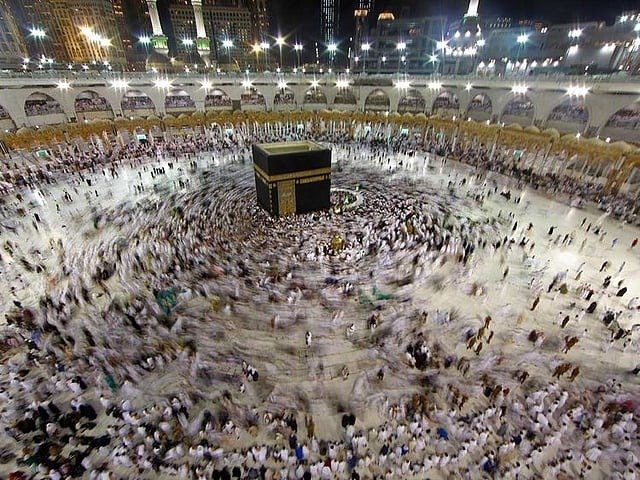
Oman’s project follows a global trend of innovative mosque designs that reflect both spirituality and sustainability. In October 2025, Abu Dhabi will open the world’s first net-zero mosque, setting a new benchmark for energy efficiency in religious architecture. Similarly, Oman’s 3D-printed mosque underscores the growing importance of eco-conscious religious spaces in the Middle East.
Looking ahead
The project is expected to play a defining role in shaping the future of construction in Oman, showcasing how advanced technologies like 3D printing can be adapted to preserve cultural identity while achieving sustainability goals.
As Oman continues to diversify its economy and promote futuristic urban spaces, the mosque in Salalah will stand as a beacon of innovation, faith, and resilience. By integrating natural light, renewable energy, and eco-friendly materials, the project promises to redefine the architectural landscape of Dhofar and the Sultanate at large.
Related News