
Gaza Families Return to Ruins After Ceasefire
‘We Sleep in the Street’: Gaza Families Return to Ruins After Ceasefire
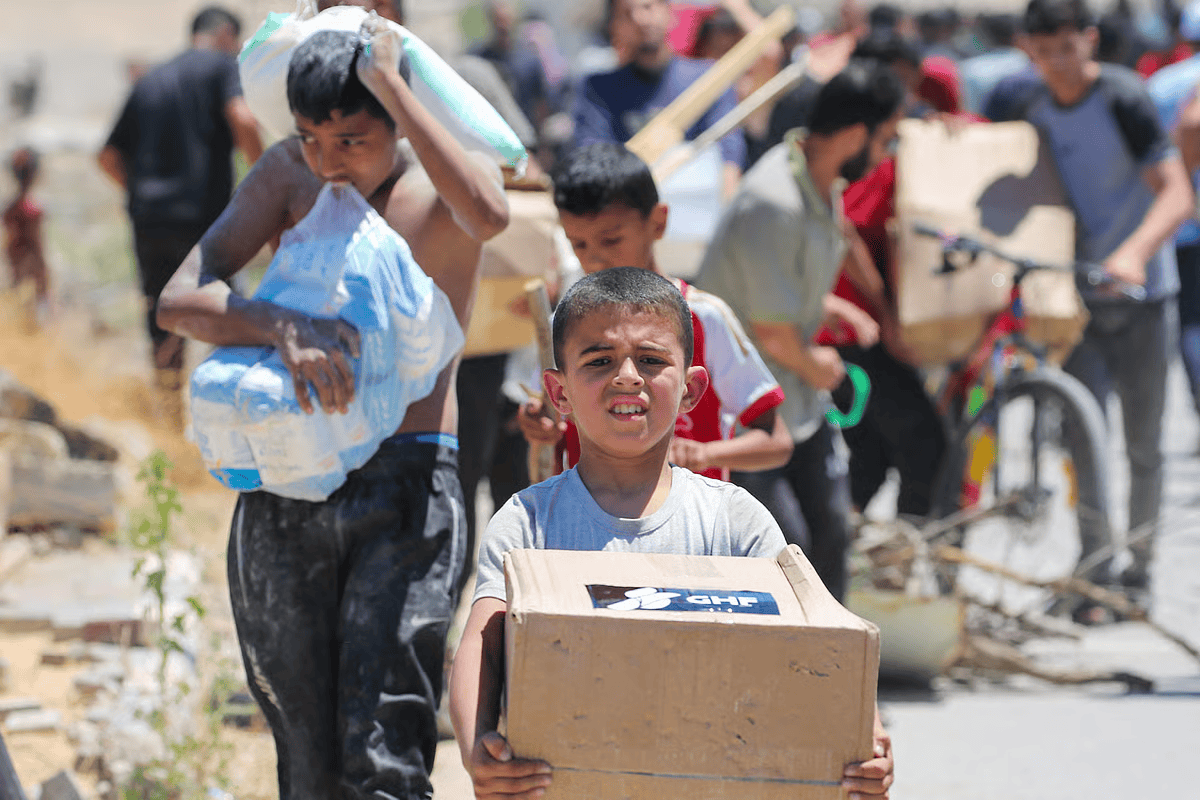
After months of relentless conflict, a fragile ceasefire in Gaza has brought temporary quiet — but for thousands of Palestinians returning home, peace offers little comfort. Their once vibrant neighbourhoods now stand in silence, reduced to piles of twisted concrete and shattered memories.
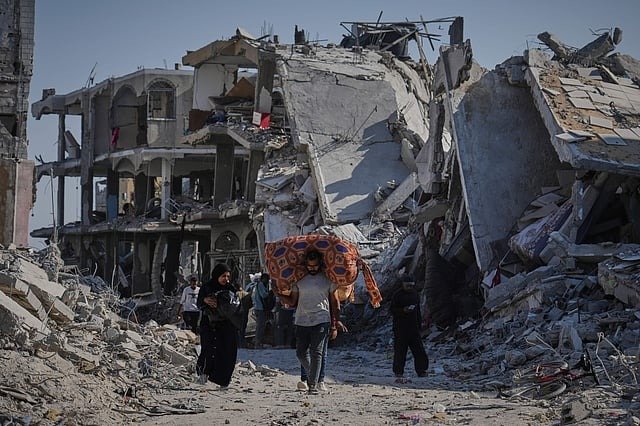
In the northwestern districts of Gaza City, where families once gathered for evening walks and children played in narrow streets, the destruction is overwhelming. Homes, shops, and schools lie in ruins — the echoes of war etched into every corner.
Returning to Nothing
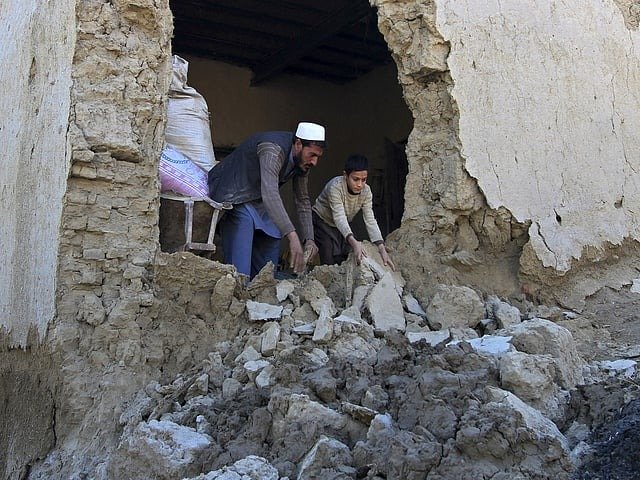
Among those returning is 31-year-old Hossam Majed, who now spends his days searching through rubble for anything salvageable — a chair leg, a broken water tank, a piece of furniture that survived the airstrikes.
“There’s no electricity, no water, no internet,” he said wearily. “Even food is scarce and more expensive than ever. I walk more than a kilometre to fill two containers of water.”
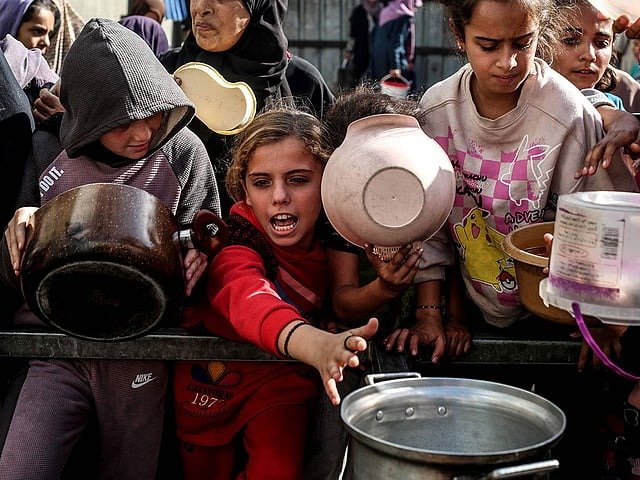
The cost of survival has skyrocketed. With markets destroyed and supply lines cut, basic necessities have become luxuries. Bread and vegetables, when available, are sold at inflated prices. Residents rely on aid convoys that arrive sporadically, often delayed by security restrictions.
Families Without Shelter
For many, there is no home left to return to. Umm Rami Lubbad, a mother of three who fled to Khan Yunis during the heaviest bombardment, returned to find her house reduced to dust.
“My heart nearly stopped when I saw the rubble,” she whispered. “We sleep in the street — I don’t even have a tent.”
Across Gaza, similar stories unfold. Families live beside the remains of their homes, building makeshift shelters from tarpaulins, iron rods, and scraps of wood. The few possessions they salvaged — a cooking pot, a mattress, a family photograph — now define their fragile existence.
Ahmad al-Abbasi, who once owned a five-storey apartment building, now lives beneath a thin sheet stretched across metal poles.
“We came back to rebuild our lives,” he said. “But Gaza has turned into a ghost town.”
A City of Rubble and Silence
Once filled with the sounds of life, Gaza City’s northwest now resonates only with the crunch of footsteps over debris. The skyline, once dotted with apartment blocks, minarets, and satellite dishes, has flattened into a landscape of ruin.
Mustafa Mahram, whose three-storey home was destroyed, struggles to find words.
“Everything’s gone, turned to ashes,” he said. “No water, no food — nothing left but rubble.”
Aid workers describe the humanitarian situation as dire. With infrastructure destroyed, the city’s water and power systems have collapsed. Hospitals operate on limited fuel reserves, and communication networks remain unreliable.
For returning families, the immediate challenge is shelter — but the larger struggle lies in rebuilding lives amid despair.
Fragile Peace, Fading Hope
The ceasefire, though fragile, has allowed some displaced residents to return and assess the damage. Yet, uncertainty looms. Many fear that renewed fighting could erupt at any moment, undoing whatever small recovery they attempt.
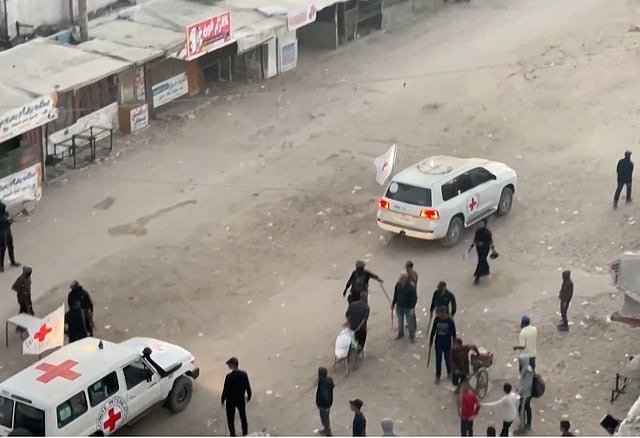
International aid agencies have called for sustained peace and large-scale reconstruction efforts, warning that without stability, rebuilding will be nearly impossible. For now, humanitarian aid trickles in slowly, offering food parcels, medical supplies, and temporary shelters.
Still, the psychological toll is immense. Generations of Gazans have lived through cycles of conflict and destruction, and each round leaves deeper scars — physical, emotional, and communal.
Holding on to Hope
Amid the devastation, what remains is resilience. Many residents, though broken by loss, cling to the hope that the ceasefire will hold long enough for them to rebuild — if not entire homes, then at least a single room, a small corner of safety.
Children play among the ruins, their laughter faint but persistent. Parents gather in the evenings, lighting small fires for warmth and sharing what little food they have. Even in ruins, the spirit of survival endures.
As one elderly man put it quietly while standing beside the wreckage of his house:
“We have lost everything — but we still have each other. Maybe that’s where we start again.”
For Gaza’s families, peace is not just the absence of war. It is the promise of rebuilding — brick by brick, memory by memory — the homes and hope that war tried to erase.
Related News