

Economics guides resource use and shapes national growth.
Economics is a social science that studies how individuals, businesses, and governments make choices regarding the use of limited resources to satisfy unlimited human wants. It plays a crucial role in guiding resource allocation and shaping the overall growth and development of a nation. By analyzing production, consumption, and distribution patterns, economics helps societies make informed decisions that maximize welfare and efficiency.
At the individual and business level, economics helps in understanding consumer behavior, pricing strategies, demand and supply, and profit maximization. These principles guide producers in deciding what to produce, how much to produce, and at what cost. Efficient resource use ensures minimal waste and maximum output, which directly contributes to economic stability.
At the national level, economics influences policy-making related to taxation, public expenditure, employment, inflation, and economic development. Governments rely on economic theories and data to frame policies that promote growth, reduce poverty, control inflation, and improve living standards. Sound economic planning ensures balanced development across sectors such as agriculture, industry, and services.
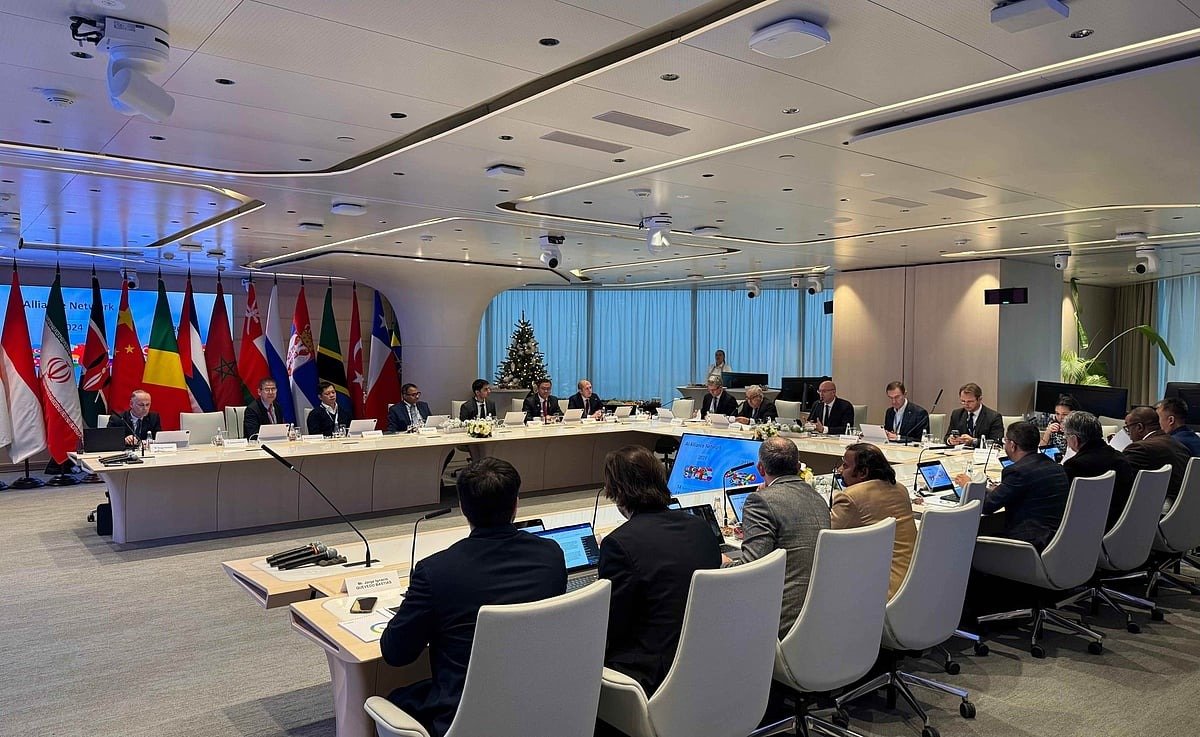
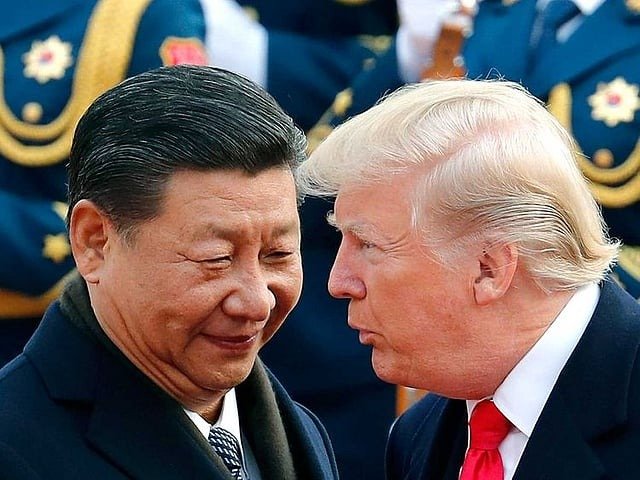
Economics also plays a vital role in international trade and globalization. It helps nations decide trade policies, manage foreign exchange, and maintain healthy trade relations. Understanding economic trends enables countries to compete globally while safeguarding domestic interests.
In today’s rapidly changing world, economics is essential for addressing challenges such as unemployment, income inequality, environmental sustainability, and technological advancement. By guiding efficient resource use and informed decision-making, economics remains a cornerstone of national progress and sustainable growth.
Related News