
Sam Altman on AI and the Future of Jobs: What’s Safe and What’s at Risk
Sam Altman on AI and the Future of Jobs: What’s Safe and What’s at Risk
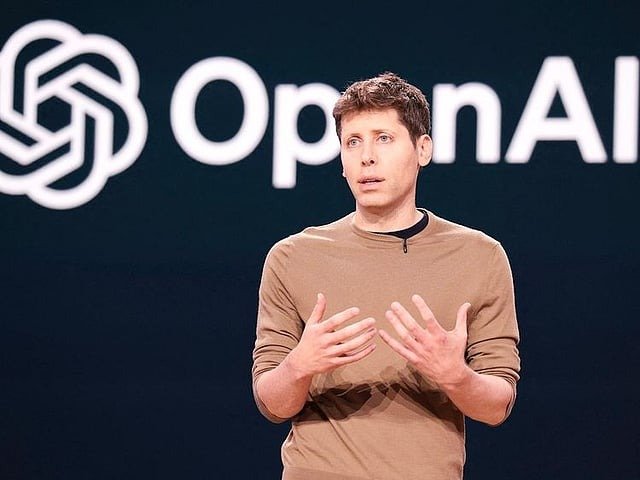
Artificial Intelligence (AI) is transforming the way we live, work, and communicate. From chatbots to self-driving cars, automation is entering industries once thought untouchable. With this rapid progress, the biggest question for many people is: Will AI take my job? OpenAI’s CEO Sam Altman recently addressed this concern, offering candid insights into which professions are most vulnerable to disruption and which are likely to remain secure.
Customer Support in the Firing Line
One of the areas Altman believes will be most affected is customer support. Millions of people around the world work in call centers or handle online queries for companies. According to him, many of these roles could soon be replaced by AI-powered systems that can answer questions faster, cheaper, and with fewer errors.
“I’m confident that a lot of current customer support that happens over a phone or computer, those people will lose their jobs,” Altman said during an interview. “It will be better done by AI.”
The shift is already visible. Many businesses now use AI chatbots as their first line of support, with human agents stepping in only when issues get complex. While this boosts efficiency, it poses serious challenges for workers who rely on these jobs.
The Uncertain Future of Programmers
When it comes to programmers, Altman’s views are more nuanced. Some experts fear that AI coding tools could eventually eliminate the need for human developers. However, Altman argues that these tools have actually expanded opportunities by making developers far more productive.
“What it means to be a programmer today is very different than two years ago,” he explained. “You’re able to use AI tools to be hugely more productive, but it’s still a person driving the process. And the world needs more software than ever before.”
In other words, rather than making developers redundant, AI may increase demand for their skills—provided they know how to use these new tools effectively.
Jobs That Are Hard to Replace
Not every job is equally at risk. Altman pointed out that nursing, for example, is one profession that will be difficult to automate. Despite advances in robotics, the human touch remains irreplaceable in healthcare.
“A job that I’m confident will not be impacted is nursing,” he said. “People really want that deep human connection during vulnerable times. No matter how good AI advice gets, you’ll still want a person beside you.”
Similar arguments apply to roles that rely heavily on empathy, creativity, or human relationships, such as teaching, counseling, and caregiving.
The Speed of Change
Altman also warned that the pace of change may be far faster than what society has experienced in the past. Historically, job markets have shifted gradually, with major changes unfolding over decades. But with AI, transformations could occur within just a few years.
“My controversial take would be that this is going to be a punctuated equilibrium moment,” Altman said, “where a lot of change will happen in a short period of time.”
This means workers and employers alike must prepare for a rapidly evolving landscape.
Adapting to the AI Era
Experts agree that adaptation is the key to survival in an AI-driven economy. Education systems will need to prepare students with skills that complement AI rather than compete with it. Governments and companies must invest in retraining programs to help workers transition into new roles.
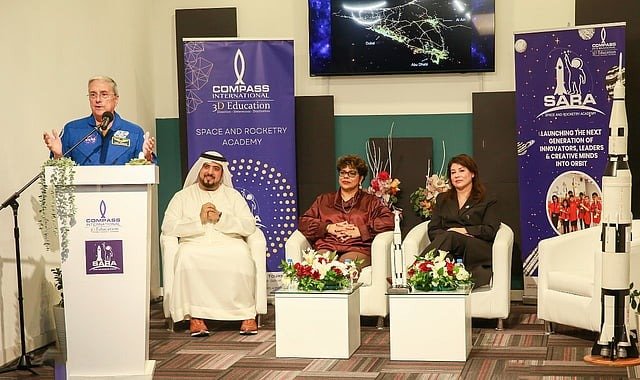
The UAE, for instance, has already announced plans to introduce AI into public school curricula starting in the 2025–2026 academic year. From kindergarten through Grade 12, students will learn about AI concepts, practical uses, and ethical implications. This forward-looking approach aims to create a generation that is comfortable working alongside AI rather than threatened by it.
A joint study by Dubai’s Department of Economy and Tourism (DET) and the Knowledge and Human Development Authority (KHDA) also identified careers most secure in the AI era. These include AI specialists, robotics engineers, nurses, teachers, and doctors. Meanwhile, customer support agents, telemarketers, and bank tellers were flagged as being at higher risk.
The Road Ahead
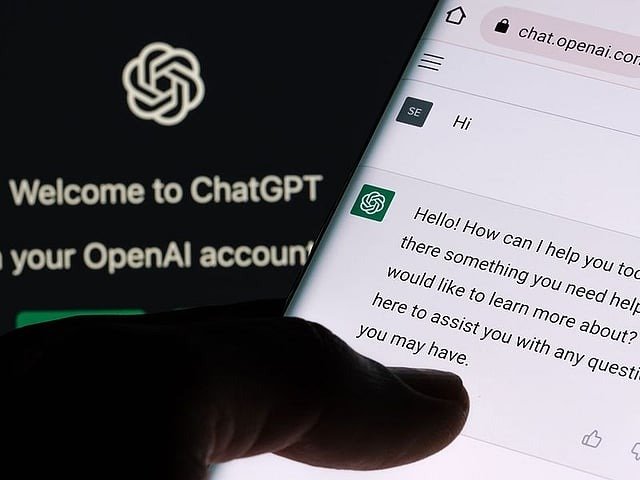
While some jobs will inevitably disappear, Altman emphasized that new kinds of work will also emerge. Just two decades ago, few could have imagined careers like social media management or AI prompt engineering. The rise of tools like ChatGPT is proof that innovation creates opportunities as well as risks.
Ultimately, the challenge for workers is not just to hold on to existing roles, but to adapt, reskill, and embrace the changes AI brings. For governments and businesses, the responsibility lies in ensuring a smoother transition by supporting education, retraining, and ethical deployment of AI technologies.
The message from Altman is clear: AI will reshape the job market faster than most expect. Some professions will vanish, others will thrive, and entirely new ones will be born. The real question is not whether jobs will change—it’s how quickly we can adapt to the future that’s already arriving.
Related News