
Remit Now or Wait? UAE Expats Gain as Rupee, Peso Slide Against Dirham
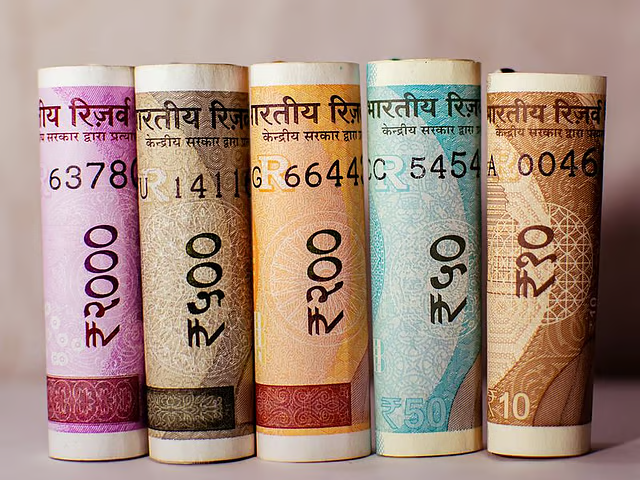
A weakening trend across several Asian currencies has opened up a unique opportunity for expatriates in the UAE — particularly those sending money to India, the Philippines, Pakistan, and Bangladesh. With the Indian rupee (INR) and Philippine peso (PHP) sliding to multi-week lows against the UAE dirham (AED), overseas workers are getting more value for every dirham remitted home.
As of October 6, 2025, one UAE dirham fetches around INR 22.78 and PHP 16.12, both among the most favorable exchange rates seen in months.
But the big question remains — should expats remit now or wait for the currencies to weaken further?
Rupee and Peso Under Pressure
The Indian rupee has faced continued downward pressure in recent weeks, largely due to rising global oil prices, persistent foreign outflows, and a strong US dollar index. India’s dependence on imported energy means higher oil costs widen the trade deficit, adding strain to the rupee.
Similarly, the Philippine peso has slipped as the Bangko Sentral ng Pilipinas (BSP) maintains a cautious stance on interest rate hikes, even as inflation remains sticky. With the US Federal Reserve keeping rates elevated, capital continues to flow out of emerging markets — adding further pressure to currencies like the peso.
For remitters in the UAE, this translates to higher conversion value and better returns when sending money home.
Snapshot: Current Exchange Rates (as of October 6, 2025)
| Country | Currency | Approx. Rate vs 1 AED | Trend |
|---|---|---|---|
| India | INR | ₹22.78 | Rupee at 2-week low |
| Philippines | PHP | ₱16.12 | Peso near 3-month low |
| Pakistan | PKR | ₨76.40 | Relatively stable |
| Bangladesh | BDT | ৳32.00 | Gradual weakening |
| Sri Lanka | LKR | 85.25 | Slight depreciation |
(Rates fluctuate daily; check live forex platforms for real-time updates.)
Why This Is Good News for Expats
For millions of overseas workers, particularly in Dubai, Abu Dhabi, and Sharjah, remittance value is a key part of family finances back home. With currencies like the rupee and peso weakening, expats can send the same amount of dirhams and deliver higher value in their local currencies.
For example, sending Dh2,000 to India today yields about ₹45,560, compared to ₹44,600 just two weeks ago — an extra ₹960 without spending a single dirham more.
Similarly, Filipinos remitting Dh1,000 today get around ₱16,120, up from ₱15,800 earlier in September.
Should You Remit Now or Wait?
According to forex experts, while current rates are favorable, predicting further depreciation is tricky.
Global markets remain sensitive to US interest rate movements, oil price trends, and geopolitical developments — all of which can quickly swing exchange rates either way.
“For short-term remitters, it’s a good time to send money home,” said a UAE-based forex analyst. “The rupee and peso are unlikely to strengthen significantly in the near term, given the strong dollar environment. However, long-term remitters should monitor the market closely — small timing differences can add up over large transfers.”
Those planning large transactions — such as property payments or education fees — can also consider locking in rates through online remittance platforms or forward contracts, which allow you to fix today’s favorable rates for future transfers.
Digital Remittance Options Grow
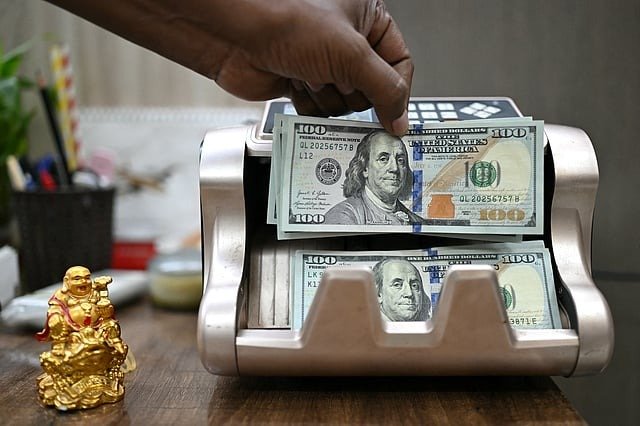
With digital remittance platforms now offering instant transfers, competitive rates, and low fees, UAE residents are increasingly opting for apps like Lulu Money, Al Ansari Exchange, Wise, and Remitly instead of visiting physical counters.
These platforms often provide rate alerts, enabling users to get notifications when the exchange rate reaches their preferred level — helping them decide the perfect moment to remit.
The Bottom Line
For now, UAE expats are enjoying a rare remittance advantage, thanks to a combination of global market trends and a strong dirham.
If you need to send money soon — for family expenses, bills, or EMIs — this week offers an excellent window. But for those who can wait and monitor trends, keeping an eye on the US dollar index and oil prices will help determine whether even better rates might emerge in the weeks ahead.
Related News