
Guardians of UAE’s Waters: Protected Areas Preserving Marine Life
UAE’s Aquatic Conservation: Safeguarding Nature While Shaping the Future
Abu Dhabi, UAE – Known for its futuristic cities and bold innovations, the United Arab Emirates has also emerged as a global leader in environmental stewardship, particularly in protecting its coastal and aquatic ecosystems. From the expansive seagrass meadows of Marawah to the serene wetlands of Al Wathba, the UAE’s protected areas offer a blueprint for combining conservation, technology, and community engagement.
A Network of Protected Sanctuaries
The UAE maintains 49 protected areas across its seven emirates, covering over 18% of its land and nearly 14% of its marine waters. Many sites are recognized as UNESCO Biosphere Reserves or Ramsar wetlands of international importance, safeguarding migratory routes, breeding grounds, and fragile blue carbon ecosystems. These areas demonstrate how nature can flourish even amid challenging climatic conditions.
Marawah Marine Biosphere Reserve: A Gulf Treasure
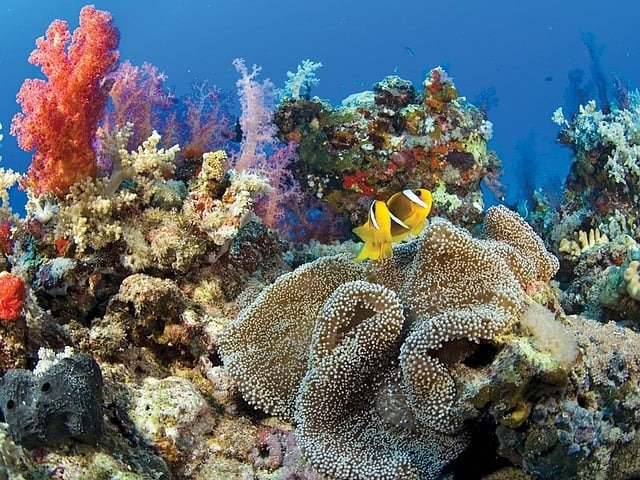
Among the nation’s ecological crown jewels is the Marawah Marine Biosphere Reserve in Abu Dhabi. Spanning 5,455 square kilometres, it is the largest marine protected area in the Arabian Gulf. Its seagrass meadows support over 3,500 dugongs, classified as vulnerable by the IUCN. The reserve also nurtures coral reefs, mangroves, and sabkhas, acting as natural carbon sinks and climate buffers. Marawah showcases how the UAE balances development with ecological preservation.
Al Wathba Wetland Reserve: A Flamingo Sanctuary
On the outskirts of Abu Dhabi lies Al Wathba Wetland Reserve, transformed from desert into a thriving wetland by the late Sheikh Zayed bin Sultan Al Nahyan. Covering 5 square kilometres, the reserve hosts more than 250 species of birds, reptiles, and insects, with the Greater Flamingo as its iconic resident. On average, 4,000 flamingos migrate here each season, and since 2011, it has been the only site in the Arabian Gulf where flamingos breed regularly. In 2018, Al Wathba earned a spot on the IUCN Green List of Protected and Conserved Areas, highlighting its exemplary management.
Innovation Meets Conservation
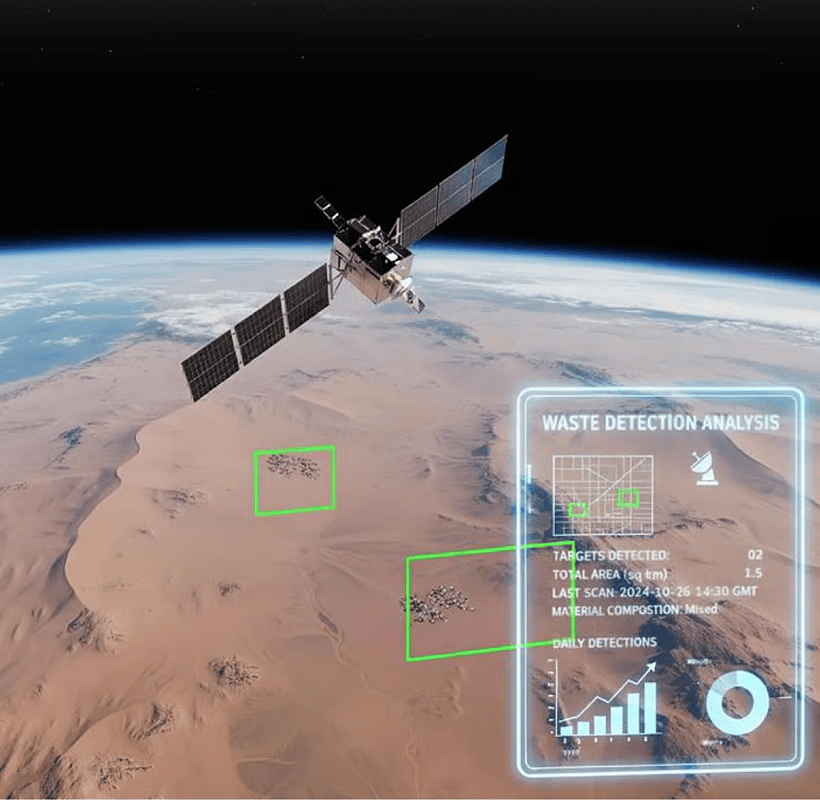
The UAE leverages cutting-edge technology to enhance its conservation efforts. Agencies like the Environment Agency – Abu Dhabi (EAD) use drones, satellite imaging, and AI monitoring to track marine health, animal movements, and ecosystem changes in real time. These “living laboratories” enable precise, data-driven strategies, ensuring ecosystems remain resilient against climate challenges.
A Vision for the Future
Aquatic conservation aligns with the UAE’s broader goals of food security, sustainable tourism, and climate action. Healthy marine ecosystems serve as nursery grounds for fish, boost eco-tourism, and preserve cultural ties to the sea. With COP28 highlighting nature-based climate solutions, the UAE’s reserves underscore that conservation is central, not peripheral, to national priorities.
Inspiring the Next Generation
Education and community participation are key pillars of the UAE’s conservation strategy. Schools integrate environmental awareness into curricula, while citizen science programs invite students, families, and corporate teams to engage in hands-on research. These initiatives foster a sense of responsibility toward nature among both young Emiratis and residents.
Conclusion
As Abu Dhabi prepares to host the IUCN World Conservation Congress, the UAE’s aquatic conservation story will be showcased on the global stage. From seagrass meadows to wetlands, the nation’s protected areas are guardians of biodiversity, anchors of climate resilience, and symbols of a sustainable future. By protecting its waters today, the UAE safeguards livelihoods, cultural heritage, and the aspirations of generations to come — proving that harmony between people and nature is the truest path to progress.
Related News