
Indian ePassport Rollout in UAE: What Expats Need to Know
Indian ePassport with Chip Launches in UAE — What Expats Should Know Before Switching
Indian expats in the UAE can now apply for the new chip-enabled ePassport, a technology upgrade that promises faster immigration checks, better data security, and protection against forgery. However, the key question for many residents remains — should you replace your current passport right away?
The simple answer: no, it’s not mandatory. Your existing passport remains valid until its expiration date, and you can continue using it for all travel purposes. But understanding what the ePassport offers — and how it differs — will help you decide whether to upgrade now or wait.
Not Mandatory — But a Major Upgrade
According to India’s Ministry of External Affairs (MEA), all existing passports remain valid until their expiry. Only when a regional passport office becomes technically ready to issue ePassports will new applicants automatically receive one.
The Indian missions in Abu Dhabi and Dubai have now rolled out the new system after successful pilot testing, meaning all new passport applications in the UAE will be issued as ePassports under the upgraded Global Passport Seva Programme (GPSP 2.0).
The ePassport initiative is part of India’s phased plan to introduce biometric-enabled passports across all missions globally.
What Makes the ePassport Different
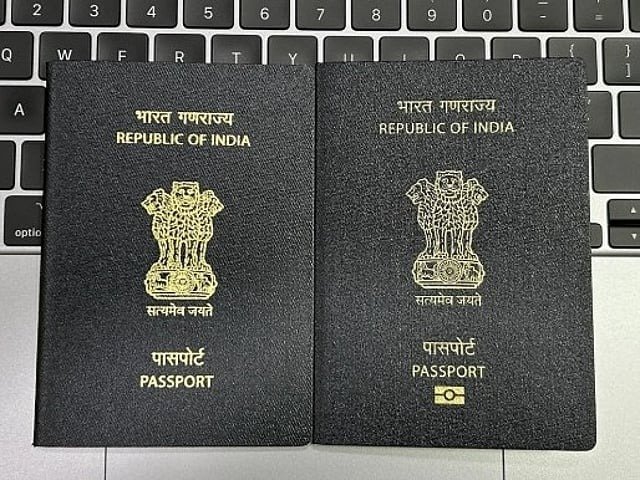
An ePassport combines traditional paper-based features with modern electronic security. It has a Radio Frequency Identification (RFID) chip and antenna embedded in its cover, containing the holder’s personal and biometric data — such as name, date of birth, photograph, and fingerprints.
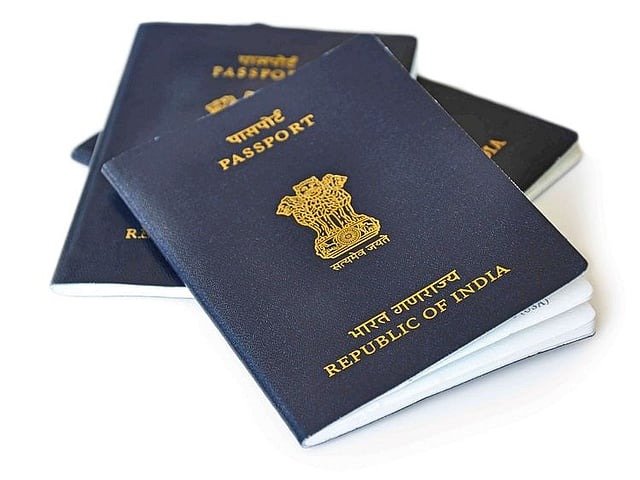
You can identify an ePassport easily — it bears a gold-coloured chip symbol on the front cover.
Even the passport numbering system has changed:
Traditional passport numbers: One letter followed by seven digits (e.g., A1234567)
ePassport numbers: Two letters followed by six digits (e.g., AB123456)
Enhanced Security and Global Recognition
The biggest benefit of the ePassport lies in security and authenticity. The embedded chip digitally stores all personal data, which is cryptographically signed using Public Key Infrastructure (PKI) technology.
This makes it virtually impossible to tamper with or forge. Immigration systems worldwide can electronically verify an ePassport’s data instantly, ensuring smooth, secure border crossings.
According to the MEA, the ePassport allows global border control systems to “authenticate data and confirm document genuineness,” reducing the risks of fake passports and identity fraud.
In practical terms, travellers with ePassports will experience faster immigration processing in countries equipped with electronic gates and eReaders.
Applying for an ePassport in the UAE
Indian expats can apply for their new ePassport through the upgraded Passport Seva online portal, now available for UAE residents.
🔹 Portal: https://mportal.passportindia.gov.in/gpsp/AuthNavigation/Login
🔹 Who can apply: All Indian nationals in the UAE applying for a new passport or renewal
🔹 Process:
Register on the new GPSP 2.0 portal.
Fill and submit the online application form.
Book an appointment through BLS International, the official passport and visa service provider.
Visit your selected BLS centre with the required supporting documents.
Applicants are encouraged to upload ICAO-compliant photographs, signatures, and documents online to reduce waiting times at centres.
New System Simplifies Corrections
The upgraded GPSP 2.0 system introduces a feature many expats will appreciate: minor application corrections can now be made directly by service providers without requiring re-submission or additional fees.
This means applicants who make small mistakes — such as spelling errors or date mismatches — can have them fixed at the BLS centre more efficiently.
ICAO-Compliant Photographs Now Mandatory
Applicants must follow International Civil Aviation Organisation (ICAO) photo standards for their ePassports. Recent updates require dark-coloured attire, a plain background, and clear visibility of facial features.
These photo guidelines are designed to ensure smooth integration with global biometric verification systems, as set by ICAO — the UN body that defines international travel document standards.
Why You Might Want to Upgrade Early
While not compulsory, switching to an ePassport comes with practical advantages:
Faster immigration checks at eGates worldwide.
Stronger protection against identity theft and data tampering.
Global recognition under ICAO standards.
Future readiness for digital border systems already used in Europe, the US, and Singapore.
For frequent travellers, business professionals, or those renewing soon, applying for an ePassport now could save time later as more airports move to fully digital immigration systems.
The Bottom Line
Indian expats in the UAE don’t need to rush to replace their existing passports — they’ll remain valid until expiry. However, if you’re renewing or applying for a new one, you’ll automatically get an ePassport, featuring advanced digital safeguards and faster border control compatibility.
In essence, the ePassport is a step toward the future of global travel — smarter, safer, and more seamless — putting India among the growing list of nations modernizing passport systems for the digital age.
Related News