Saudi IPO Pipeline Nears 100 as Market Reforms Accelerate
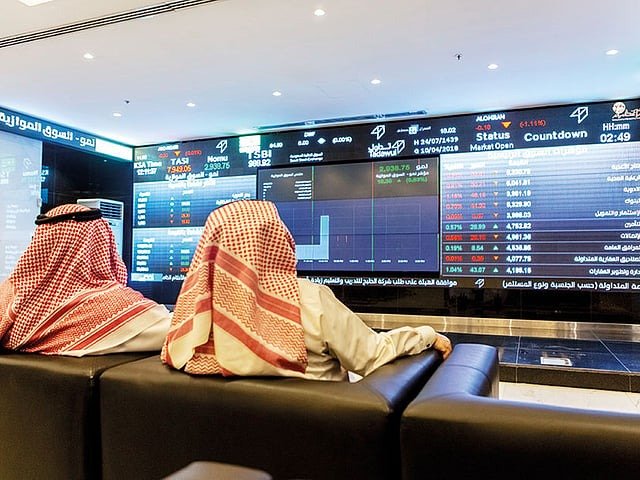
Saudi Arabia’s equity market continues to show resilience and ambition, with nearly 100 companies now at various stages of seeking approval to list shares, despite a challenging year for stocks. The growing pipeline underscores the kingdom’s commitment to expanding and modernising its capital markets as it works to attract more foreign investors and diversify its economy.
According to Mohammed Al-Rumaih, chief executive of the Saudi Exchange, more than 40 companies have already been listed since the start of 2025, while a similar number have formally applied for approval. When companies still in the process of hiring financial advisers are included, the total number of IPO hopefuls rises to nearly 100.
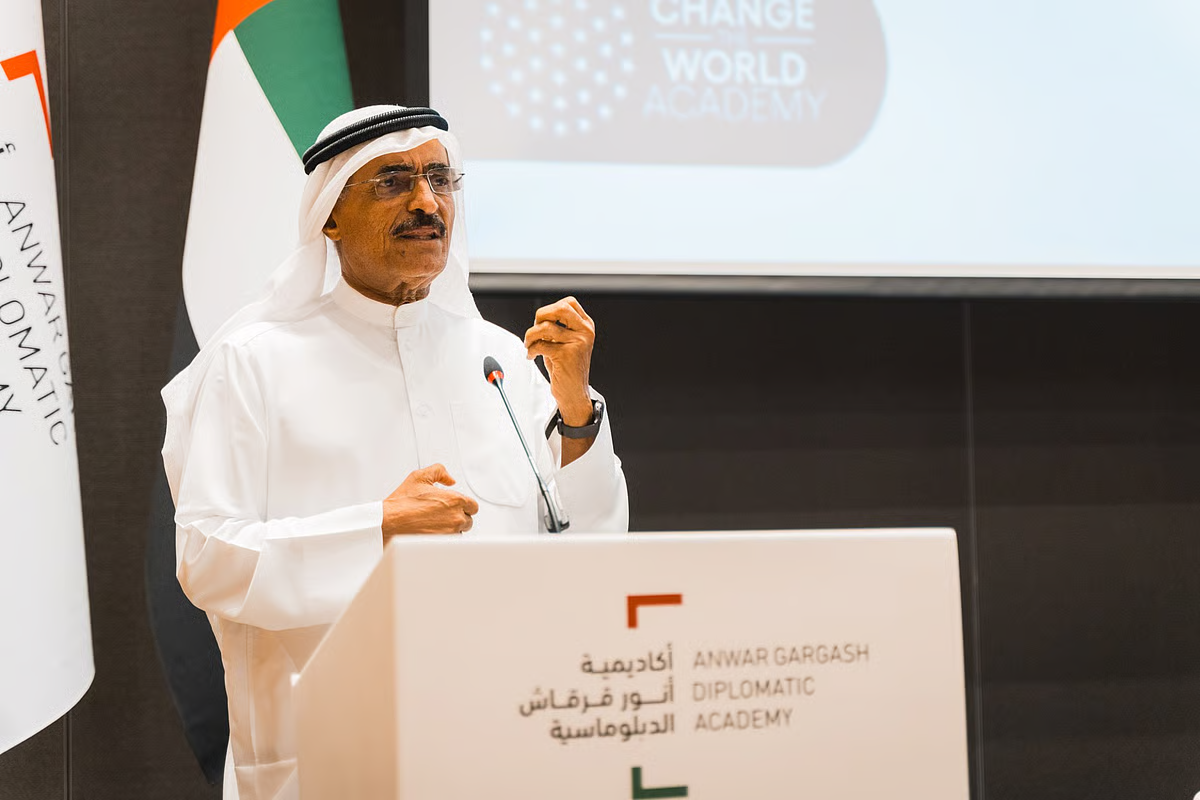
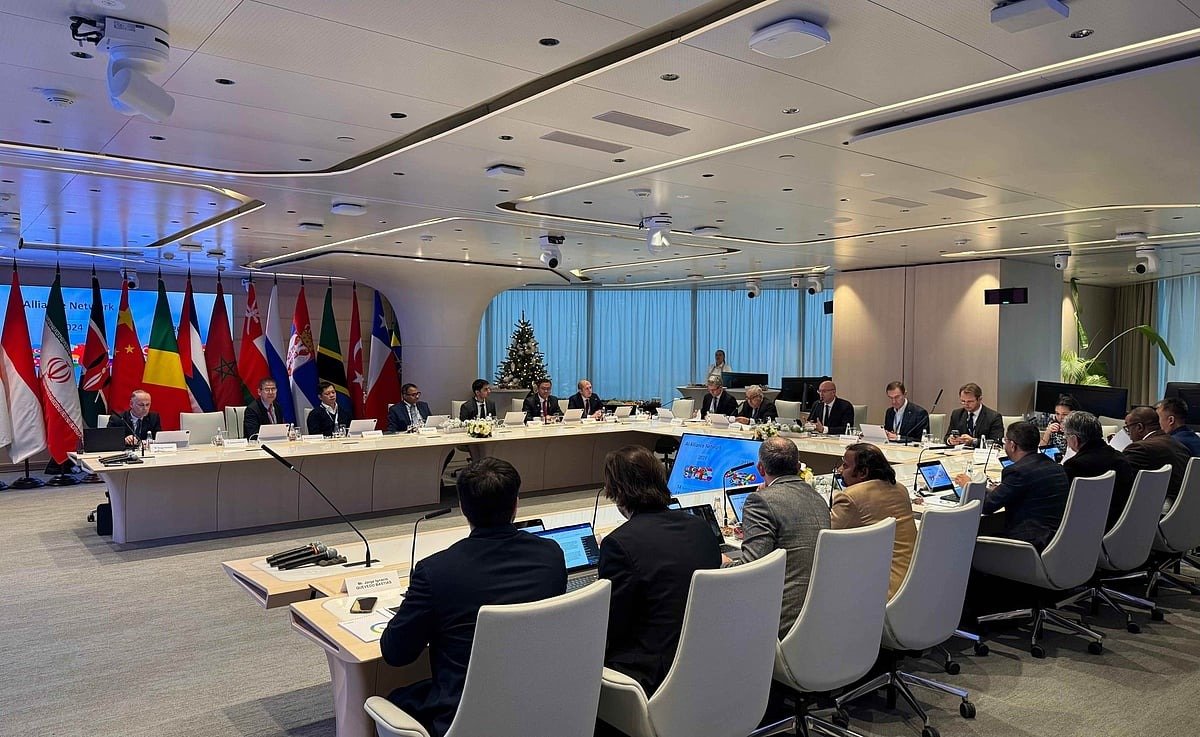
Al-Rumaih described the pipeline as “very vibrant” while speaking at the FII Priority Asia Summit in Tokyo, adding that the flow of new listings reflects steady interest from local companies even amid softer market conditions.
Strong IPO activity despite market weakness
Saudi Arabia has raised nearly $4.5 billion through initial public offerings on both its main market and the Nomu parallel market in 2025, marking its strongest IPO year since 2022, according to data compiled by Bloomberg. The activity highlights the depth of demand for new listings, even as broader market performance has struggled.
Among the year’s most prominent deals was the IPO of Flynas, a low-cost airline whose shares have slipped since their June debut. Another major listing, Umm Al Qura for Development & Construction, a Mecca-based real estate developer, has been one of the region’s top-performing IPOs this year, offering a contrast to weaker debuts elsewhere.
Analysts say the mixed performance of listings reflects broader market caution rather than a lack of interest in Saudi equities. Many investors remain selective, favouring companies with clear growth prospects and resilient business models.
Reform agenda targets foreign investors
Al-Rumaih confirmed that the kingdom is pressing ahead with reforms aimed at opening its equity market more fully to international investors. Plans include removing remaining restrictions on foreign participation and raising foreign ownership limits in listed companies.
Market observers believe these steps could unlock fresh inflows of capital, boost liquidity, and encourage cross-border mergers and acquisitions involving Saudi firms. Greater foreign participation is also seen as critical for supporting the long-term goals of economic diversification under Vision 2030.
In recent months, the pace of reforms has accelerated as fiscal pressures increase. Lower oil revenues combined with elevated government spending have pushed Saudi Arabia into deeper budget deficits, heightening the need to draw funding from private and international sources without slowing economic development.
Benchmark index drag and cautious sentiment
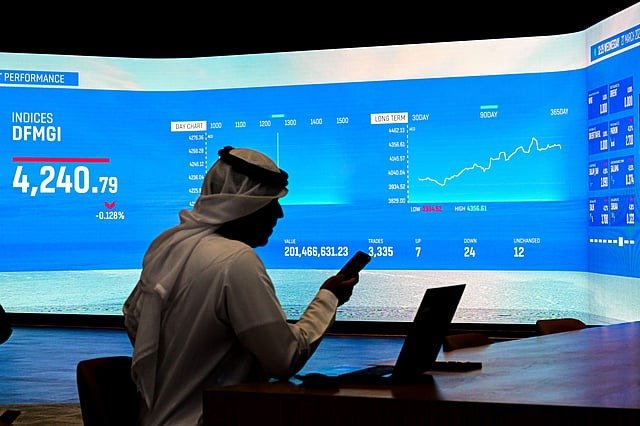
Efforts to revitalise the market come against the backdrop of a sharp downturn in performance. The Tadawul All Share Index, the benchmark gauge of Saudi stocks, is down about 12% so far in 2025, putting it on track for its weakest annual showing since 2015.
The slump has dampened enthusiasm for large share sales, particularly from state-backed entities. Still, a growing number of smaller companies continue to test investor appetite. Car rental firm Cherry Trading began trading this week, closing nearly 6% below its IPO price on its first day. Almasar Alshamil Education is also set to debut, adding to the steady, if cautious, flow of new listings.
Saudi Arabia’s Public Investment Fund has reportedly slowed work on some planned IPOs following subdued market debuts and weaker index performance, reflecting a more measured approach amid volatile conditions.
Beyond equities: debt and derivatives
Looking ahead, Saudi market authorities are placing increased emphasis on diversifying the capital markets beyond equities. Al-Rumaih said the exchange operator and regulators are focusing on expanding the debt market, which is becoming more critical as companies seek alternative funding sources.
In addition, Saudi Arabia is preparing a “major revamp” of its derivatives market, scheduled for the first quarter of 2026. While details remain limited, the move signals a broader push to provide investors with more sophisticated tools for risk management and trading.
Despite headwinds in the stock market, the expanding IPO pipeline and continued reform agenda suggest Saudi Arabia remains firmly committed to building deeper, more diverse, and globally integrated financial markets.
Related News