
UAE Petrol Prices for November: Relief or Another Hike Ahead?
UAE Petrol Prices for November: Relief or Another Hike Ahead?
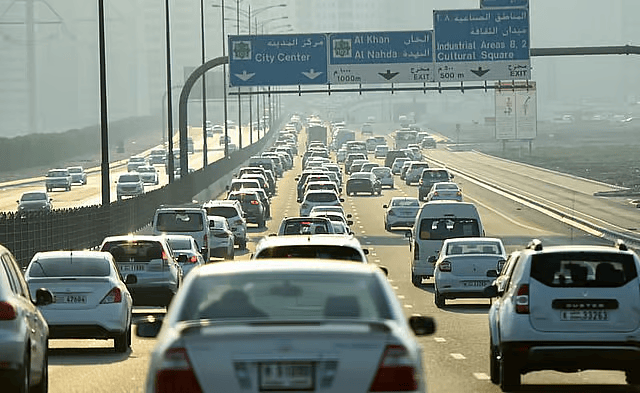
Motorists across the UAE are watching closely as the government is set to announce November fuel prices today. After October’s price increase, many are hoping for some relief at the pumps. With global oil prices dipping for much of October, there are signs that UAE fuel rates could either stabilize or slightly decrease—though uncertainty in the global market still lingers.
Background: How UAE Fuel Prices Are Set
Since 2015, the UAE has deregulated fuel prices, meaning petrol and diesel rates now fluctuate monthly based on global crude oil trends. The Ministry of Energy and Infrastructure reviews global market data each month to align local prices with international benchmarks.
When oil prices climb, UAE fuel costs typically rise; when global crude declines, motorists benefit from lower rates.
October’s Price Hike
In October, UAE residents faced a 7–8 fils increase per litre:
Super 98 petrol: Dh2.77 (up from Dh2.69)
Special 95: Dh2.66
E-Plus 91: Dh2.58
Diesel: Dh2.71 (up from Dh2.66)
The price rise followed a rebound in oil markets earlier in the month due to supply concerns and regional tensions, which temporarily pushed global crude higher.
Global Oil Market Overview
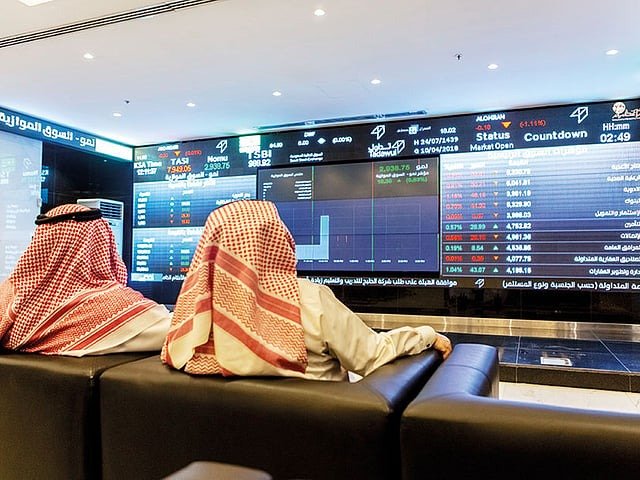
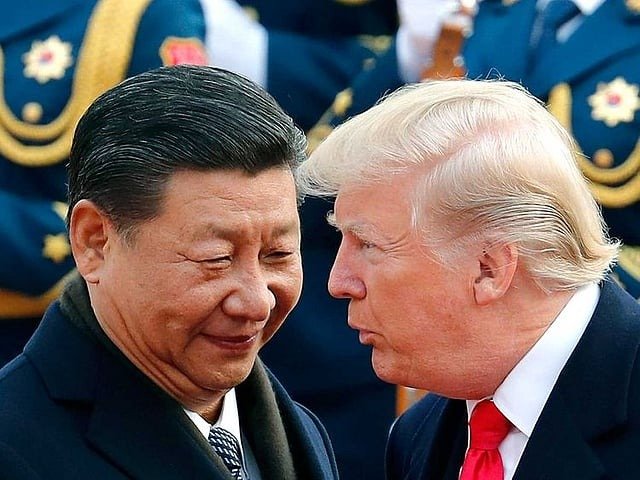
Throughout October, Brent crude traded just below $65 a barrel, as improving U.S.–China relations boosted economic optimism and demand outlook. A key turning point came after new U.S. sanctions on Russian oil producers, which briefly drove a 5.4% price spike—the biggest weekly gain since June.
However, this volatility did not last. Markets soon steadied as fears of oversupply returned, and traders noticed narrowing gaps between current and future Brent contracts. That pattern, known as contango, often signals that oil prices may ease in the near term.
Adding to the mixed signals, Kuwait’s oil minister suggested that OPEC could raise production if demand strengthens, a move that could help stabilize prices globally.
What’s Driving the Uncertainty
Until mid-October, many analysts predicted that oil prices would decline due to slowing global demand and excess supply. But geopolitical shifts, sanctions, and changing trade dynamics have disrupted those forecasts.
After sanctions tightened global supply, markets entered a state known as “backwardation”, where oil for immediate delivery became more expensive than oil for future contracts. This usually indicates short-term price strength—meaning prices could rise temporarily before stabilizing again.
“Before the sanctions, markets were expecting lower oil prices,” said Arne Lohmann Rasmussen of Global Risk Management. “After the sanctions, expectations shifted toward tighter supply and higher prices.”
Experts from Capital Economics added that stricter enforcement of sanctions could push the oil market into a deficit next year, raising long-term price risks.
Impact on UAE Motorists
Despite recent volatility, analysts don’t expect a sharp spike in UAE fuel prices for November. Global crude prices have stayed moderate, with U.S. oil even falling below $57 per barrel—its lowest since early 2021.
This suggests that while short-term fluctuations are possible, UAE petrol and diesel prices are likely to remain stable or see a slight reduction this month.
Motorists should note that UAE fuel prices tend to follow average global crude prices from the previous month. Since oil has mostly trended downward in late October, the November adjustment could reflect a modest decline.
Looking Ahead
Oil traders remain cautious as the market adjusts to U.S. sanctions, OPEC decisions, and shifting global demand. If current trends continue, UAE residents may see a temporary dip in fuel prices, offering minor relief after October’s increase.
Still, experts warn that any decline could be short-lived if geopolitical tensions or production cuts drive prices higher again later in the year.
For now, motorists can expect steady or slightly lower pump prices for November — a welcome breather amid a year of unpredictable global energy markets.
Related News