
UAE Remittances: Indian, Pakistani, and Philippine Currency Exchange Rates Hit Favorable Levels
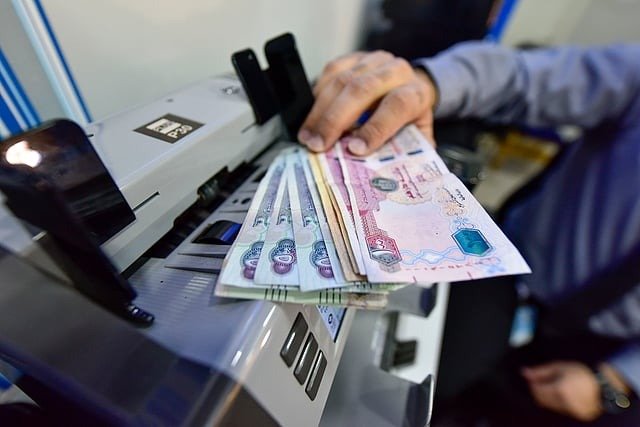
Dubai: Millions of expatriates living and working in the UAE keep a close eye on exchange rates, as even small shifts can significantly impact the money their families receive back home. As of September 25, 2025, the foreign exchange market has offered promising rates, particularly for those sending funds to India, Pakistan, and the Philippines.
With the Indian rupee, Pakistani rupee, and Philippine peso trading weaker against the UAE dirham, expatriates are enjoying better value for every dirham transferred. But the critical question remains: Is now the right time to remit, or should you wait for further movements?
Current UAE Dirham Exchange Rates (September 25, 2025):
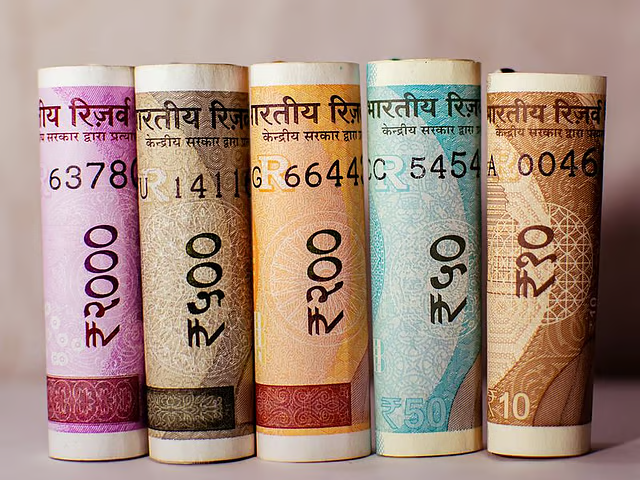
Indian Rupee (INR): ₹24.07 per dirham (slightly stronger from record low of 24.09)
Pakistani Rupee (PKR): ₨76.67 per dirham (unchanged from previous level)
Philippine Peso (PHP): ₱15.65 per dirham (weaker compared to ₱15.57 earlier)
1. Indian Rupee Outlook
The Indian rupee recently hit a historic low of 24.09 against the dirham, before recovering slightly to 24.07. This means that for every AED 1,000 sent, families in India now receive about ₹24,070, which is significantly higher compared to earlier months when the rupee was stronger.
The rupee’s weakness is linked to:
Global oil prices raising India’s import bill
US interest rate cuts, which weakened emerging market currencies
Persistent foreign fund outflows from Indian markets
Should you remit now?
If your remittance is for immediate household expenses, this is a good time to send as rates are near record highs. However, traders suggest the rupee may stay under pressure in the near term, so there’s potential for even better rates if oil prices climb further.
2. Pakistani Rupee Stability
The Pakistani rupee remains steady at 76.67 per dirham, showing no major change from last week. Stability is positive news, given the rupee’s historic volatility driven by:
Inflationary pressures in Pakistan
IMF program requirements influencing fiscal decisions
Strong demand for US dollars in the local economy
For expats, this means consistent remittance values. For every AED 1,000, families in Pakistan receive ₨76,670, which is a considerable boost compared to last year when the rate hovered around 74.
Should you remit now?
Since the rate has stabilized at a relatively high level, it’s an ideal time for regular monthly remittances. For larger one-time transfers, some may choose to wait for a potential uptick, though analysts warn against holding off too long as external financing changes could strengthen the rupee slightly.
3. Philippine Peso Weakens Further
The Philippine peso slipped to ₱15.65 against the dirham, down from ₱15.57 earlier. This depreciation benefits Filipino workers, as every AED 1,000 remitted now fetches ₱15,650, compared to ₱15,570 just days ago.
The peso’s decline is tied to:
Slower GDP growth in the Philippines
Higher import costs due to a strong US dollar
Decline in investor sentiment across Southeast Asian markets
Should you remit now?
Yes. The peso’s weakness makes this an excellent opportunity for overseas Filipino workers (OFWs). Since inflation is also a concern back home, sending money while the peso is weak ensures families get maximum value.
What’s Driving These Currency Trends?
Several global and regional factors are influencing exchange rates right now:
US Federal Reserve rate cuts are reshaping currency flows globally
Oil market volatility impacts India and Pakistan directly, as they are net importers
Geopolitical uncertainty across Asia is dampening investor confidence
Central bank interventions are limited, keeping currencies weak
Key Takeaways for UAE Expats
Indian Rupee (INR): Near record lows, excellent for remittance
Pakistani Rupee (PKR): Stable, favorable but could shift with IMF or political changes
Philippine Peso (PHP): Weakening further, strong remittance opportunity
For expatriates, the best strategy is to remit regularly for household needs while also monitoring short-term fluctuations for bulk transfers.
Related News