

When will UAE winter be 'officially' over? Temperature swings, pre-summer rains explained
In the United Arab Emirates, winter does not end on a fixed calendar date, but meteorologically, it is considered “officially” over by late February to early March. This period marks a noticeable transition as cool winter air gradually gives way to warmer, more humid conditions typical of early summer.
During winter, temperatures usually range between 12°C and 25°C, offering pleasant weather across the country. However, as March approaches, daytime temperatures begin to rise steadily, often crossing 30°C, while nights become less cool. These sudden temperature swings are common and can feel confusing, as cooler mornings may still resemble winter while afternoons signal summer’s arrival.
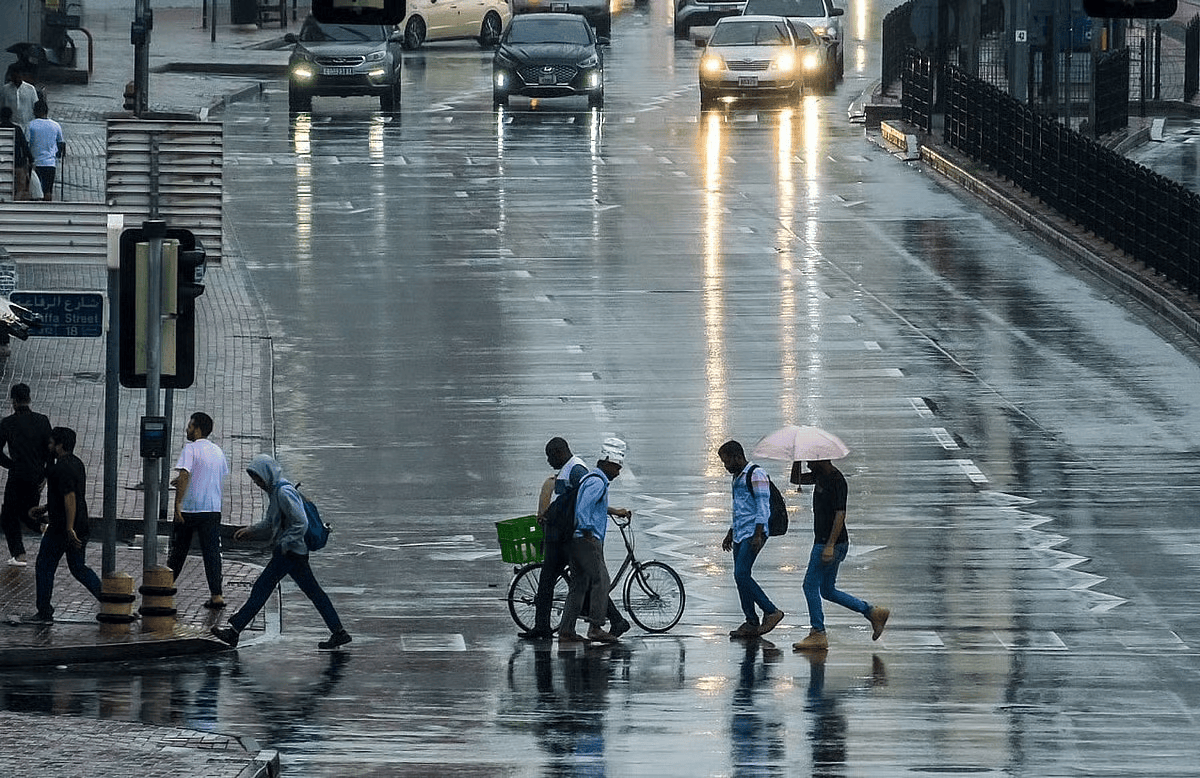
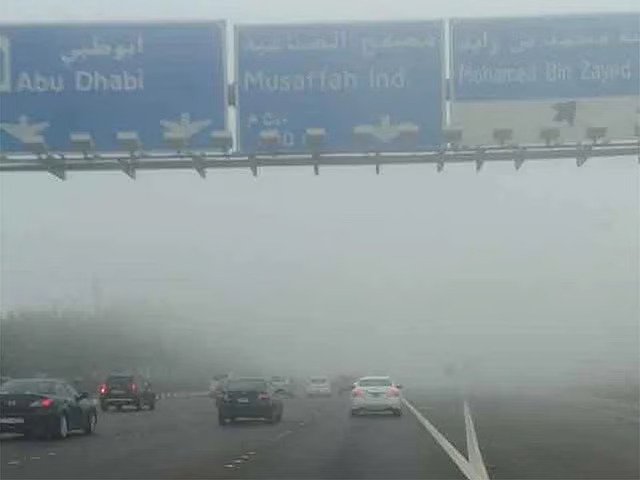
One key feature of this transition period is pre-summer rainfall. Unlike winter rains caused by frontal systems, these showers are usually the result of convective cloud formation due to increasing heat and humidity. Such rains are often short-lived but can be intense, sometimes accompanied by thunder, lightning, and gusty winds. While rainfall remains limited overall, these showers indicate that the atmosphere is shifting toward summer patterns.
Another noticeable change is the rise in humidity, especially in coastal regions. As sea temperatures warm, moisture levels increase, making the air feel heavier even before peak summer begins. Dust and light sandstorms may also occur due to changing wind patterns.
In summary, while winter in the UAE doesn’t end abruptly, late February and March mark its practical conclusion. The combination of rising temperatures, variable weather, and occasional pre-summer rains signals that the country is moving steadily toward the long summer season ahead.
Related News