
UAE Court Awards Passenger Dh10,000 Compensation Over Faulty Airline Seat
A passenger has successfully sued an airline in the UAE after suffering injuries due to a faulty seat during a flight, with the court awarding her Dh10,000 in compensation. The case, heard at the Abu Dhabi Civil Family Court, highlights the responsibility of airlines to ensure passenger safety and respond to complaints in real time.
The Incident
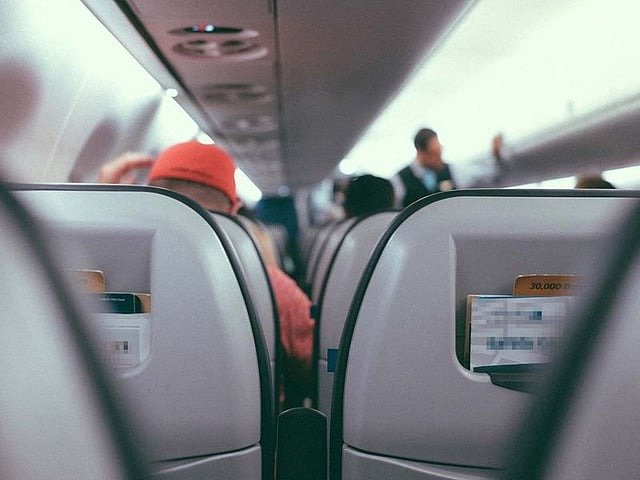
According to case filings, the passenger noticed that her seat was loose and unstable shortly after boarding. Despite reporting the issue to the cabin crew and requesting assistance, her complaints were ignored. The lack of remedial action not only left her in an uncomfortable position for the duration of the flight but also exposed her to physical risks.
During the journey, the unstable seat caused her to sustain cuts and minor injuries, which required medical attention upon arrival. At her destination, she was treated at a local clinic, where she also received an anti-tetanus shot as a precautionary measure. Her treatment continued both abroad and after she returned to the UAE.
Legal Action and Compensation Claim
Frustrated by the airline’s negligence, the woman filed a lawsuit demanding Dh50,000 in damages. Her claim covered physical, material, and emotional harm, alongside 9 per cent legal interest.
She argued that the airline’s failure to act on her repeated complaints not only worsened her suffering but also amounted to a violation of basic safety obligations owed to all passengers. The plaintiff emphasised the psychological distress she endured, including heightened anxiety and emotional trauma resulting from an experience that should have been avoided.
Court’s Decision
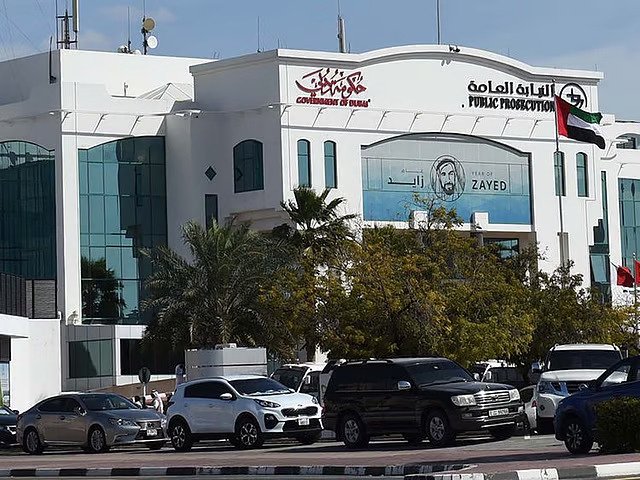
After reviewing the evidence, the Abu Dhabi Civil Family Court ruled that the airline bore responsibility for compromising the passenger’s physical safety. The court agreed that the loose seat had directly caused the injuries and subsequent distress.
However, while recognising her ordeal, the court did not grant the full amount she sought. Instead, it awarded Dh10,000 in compensation, an amount it considered “fair and sufficient” to cover both her material losses (such as medical expenses) and moral damages (including psychological suffering).
Airline Accountability in Passenger Safety
The ruling underscores a growing trend in UAE courts to hold airlines accountable for negligence that results in passenger harm. Air travel, while highly regulated, still carries risks when carriers fail to maintain equipment or adequately respond to passenger concerns.
In this case, the failure of the cabin crew to take corrective action played a significant role in the judgment. Legal experts note that airlines are expected to address safety complaints promptly to avoid liability. Ignoring a passenger’s request for help, especially when it involves a malfunctioning seat, can constitute negligence.
Broader Legal Context
The UAE courts have consistently emphasised passenger rights in similar rulings. Recent cases include:
Dh15,000 compensation ordered after an assault on a woman in her home.
Dh200,000 awarded to a woman after a workplace attack in Abu Dhabi.
Dh20,000 moral damages granted following an assault case.
Dh30,000 awarded to a woman after being secretly filmed without consent.
These cases demonstrate the judiciary’s willingness to balance claims against reasonable compensation while reinforcing that emotional and moral damages are taken seriously under UAE law.
Implications for Travellers
For passengers, this case serves as a reminder of their rights when travelling. Airlines owe a duty of care that extends beyond safe take-off and landing. Issues like faulty seats, malfunctioning safety equipment, or inattentive crew responses can all form the basis of valid legal claims if they result in harm.
It also highlights the importance of documenting complaints—such as reporting incidents to staff, seeking medical treatment promptly, and maintaining records—to strengthen legal cases should disputes arise.
Industry Takeaway
For airlines, the ruling is a cautionary note on the importance of regular maintenance and crew training. Cabin staff are often the first responders to in-flight issues, and their decisions can significantly influence legal outcomes. In this instance, the failure to act when a passenger raised concerns was viewed as negligence, leading directly to the damages awarded.
Conclusion
While the plaintiff initially sought Dh50,000, the court’s award of Dh10,000 reflects the judiciary’s balanced approach—acknowledging real harm while tailoring compensation to what it deemed proportionate.
The case stands as a significant reminder that passenger comfort and safety are not just customer service issues but legal obligations. As air travel in the UAE continues to grow, such rulings reinforce the message that safety lapses will not be overlooked and that passengers have effective avenues for redress.
Related News