
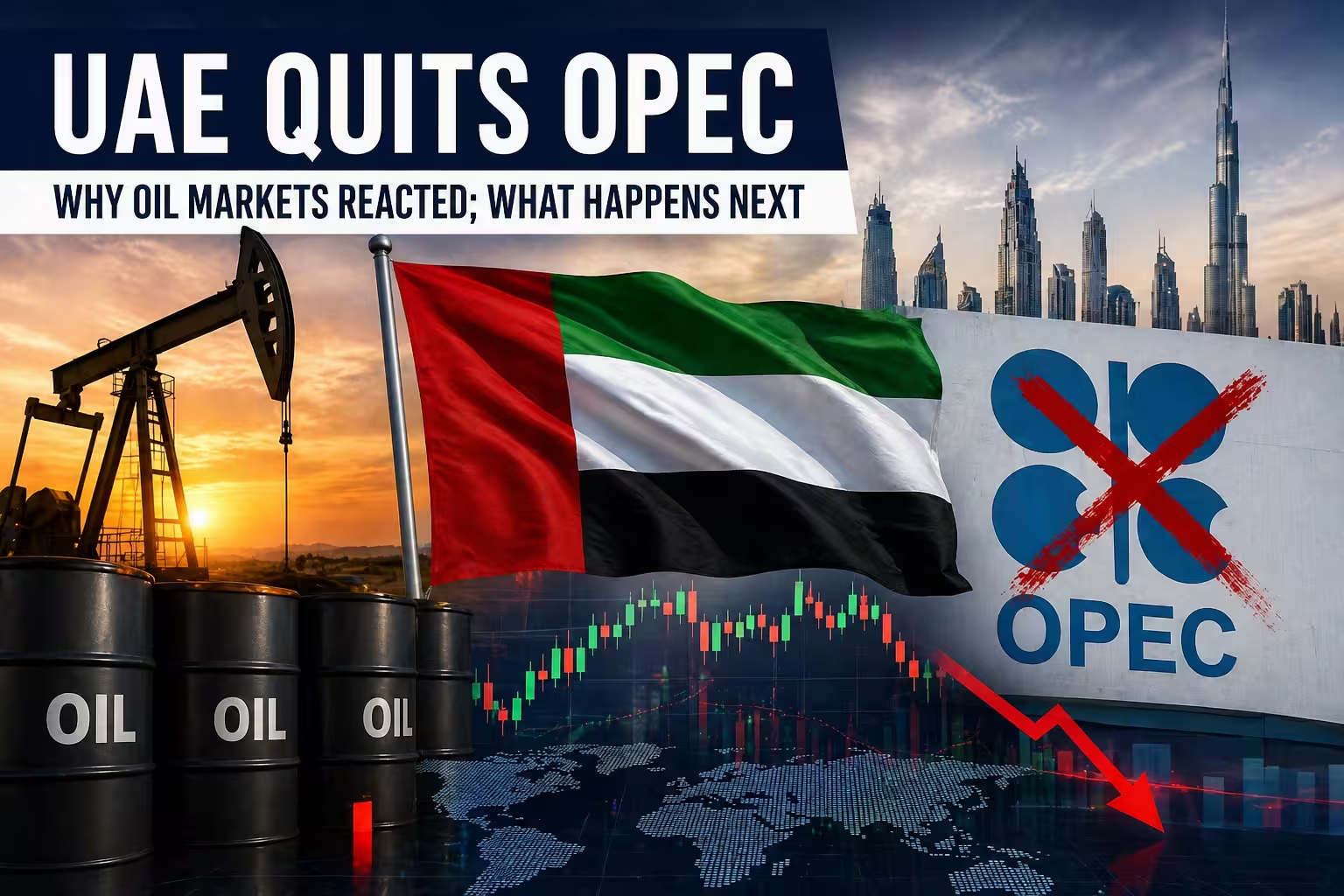
UAE exits OPEC: Why oil markets reacted sharply and what happens next
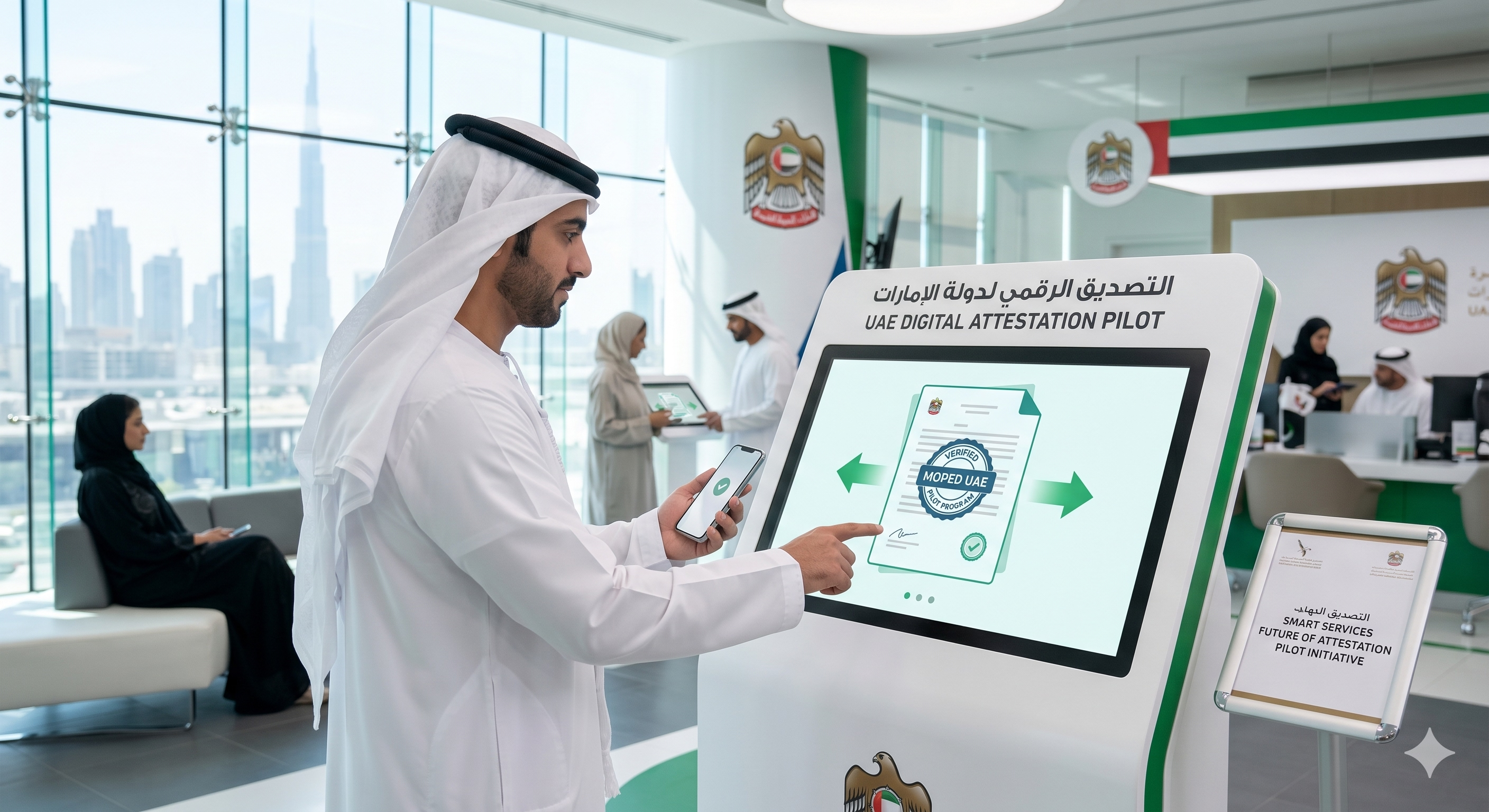
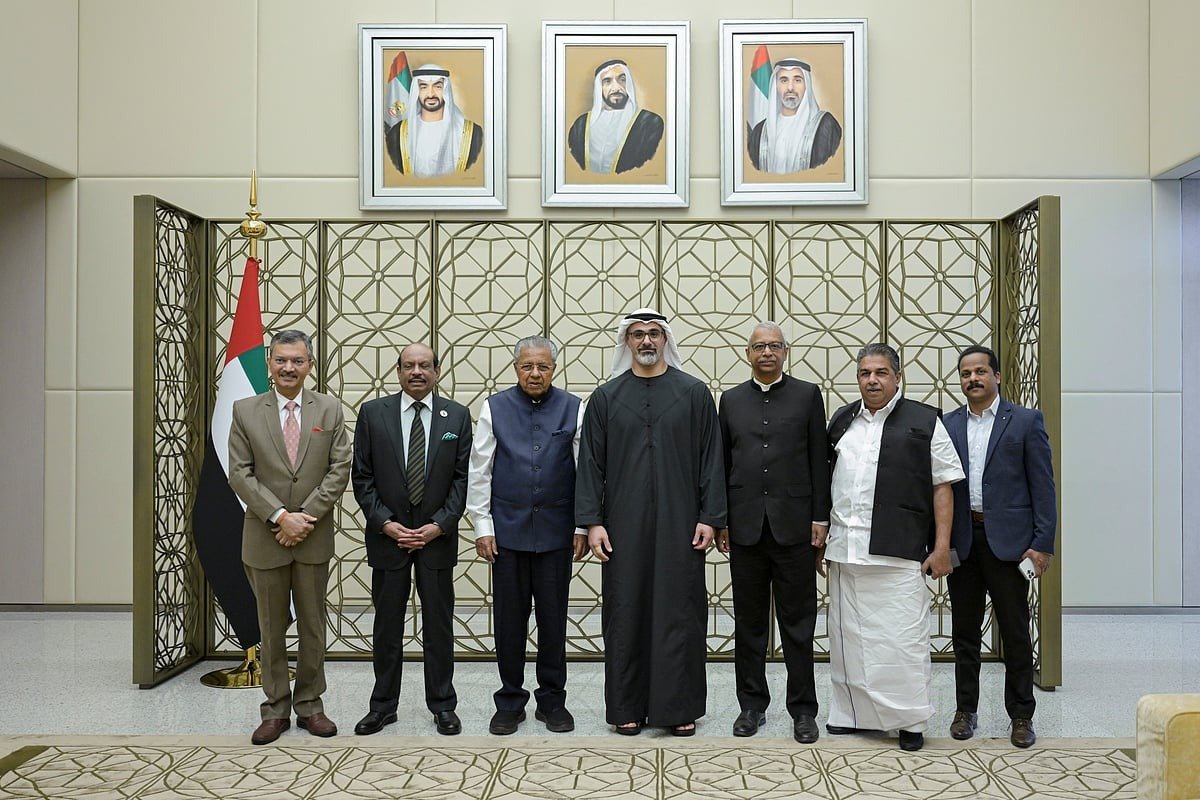
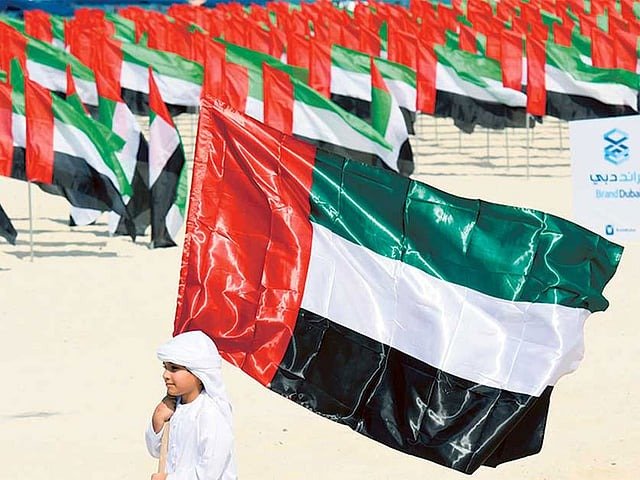
The United Arab Emirates has announced its exit from OPEC, marking a significant shift in global energy dynamics. The move has sparked immediate reactions in international oil markets, with prices fluctuating as traders reassess supply expectations.
📉 Why oil markets reacted
Oil markets are highly sensitive to supply coordination, and OPEC has long played a central role in managing global production. The UAE’s departure signals potential changes in output strategy, which could lead to:
- Increased independent production by the UAE
- Weakening of OPEC’s collective control over oil prices
- Greater competition among oil-exporting nations
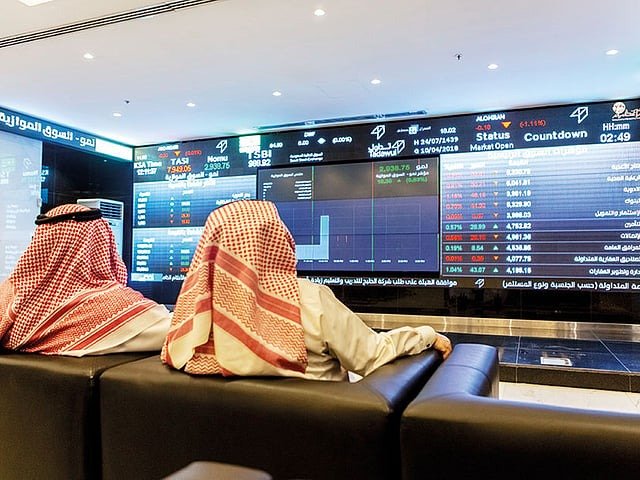
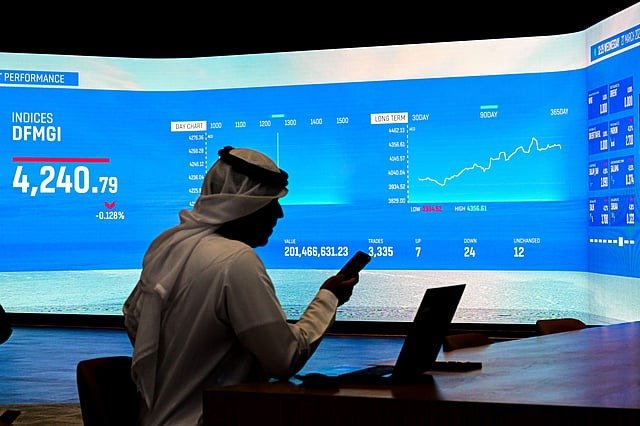
Investors reacted quickly, leading to short-term volatility in benchmark crude prices such as Brent crude oil and WTI crude oil.
🌍 Strategic reasons behind UAE’s exit
The UAE has been investing heavily in expanding its oil production capacity while also diversifying into renewable energy. Leaving OPEC gives it:
- More flexibility in setting production levels
- Freedom to pursue long-term energy strategies
- Greater control over revenue optimization
This decision also reflects broader tensions within OPEC over production quotas and market share.
🔮 What happens next?
The exit raises several key questions for the future:
- Will other countries follow the UAE’s path?
- Can OPEC maintain its influence without one of its major producers?
- How will global oil supply balance shift in the coming months?
Analysts suggest that while OPEC will remain influential, its ability to tightly control prices may weaken if more members prioritize national strategies over collective agreements.
📊 Impact Summary:
- Short-term: Market volatility and price fluctuations
- Medium-term: Increased supply competition
- Long-term: Possible reshaping of global oil alliances
Related News